10 Gen Z Home Types
There’s a moment most series lovers know well, you’re three episodes deep into something good, and you realize you’ve stopped paying attention to the plot. Instead, you’re studying the walls. The lighting. The way the couch sits against exposed brick, or how a tiny apartment somehow holds an entire life without feeling suffocated.
Set designers spend months building spaces that feel like something. And whether we notice it or not, we absorb those visual cues. They become the benchmark for what we want our own homes to feel like.
For Gen Z, born between 1997 and 2012, raised on screens, shaped by a housing market that doesn’t play fair, this visual fluency is becoming practical currency. According to Fannie Mae’s 2025 Housing Caretaker Study, Gen Z is more payment-sensitive than any generation in modern history. They’re not chasing square footage. They’re hunting for spaces that are smart, efficient, and actually livable on a real budget.
What follows is a guide to ten housing types that fit that brief, with a few familiar screen references along the way, because honestly, that’s where most of us developed our taste anyway.
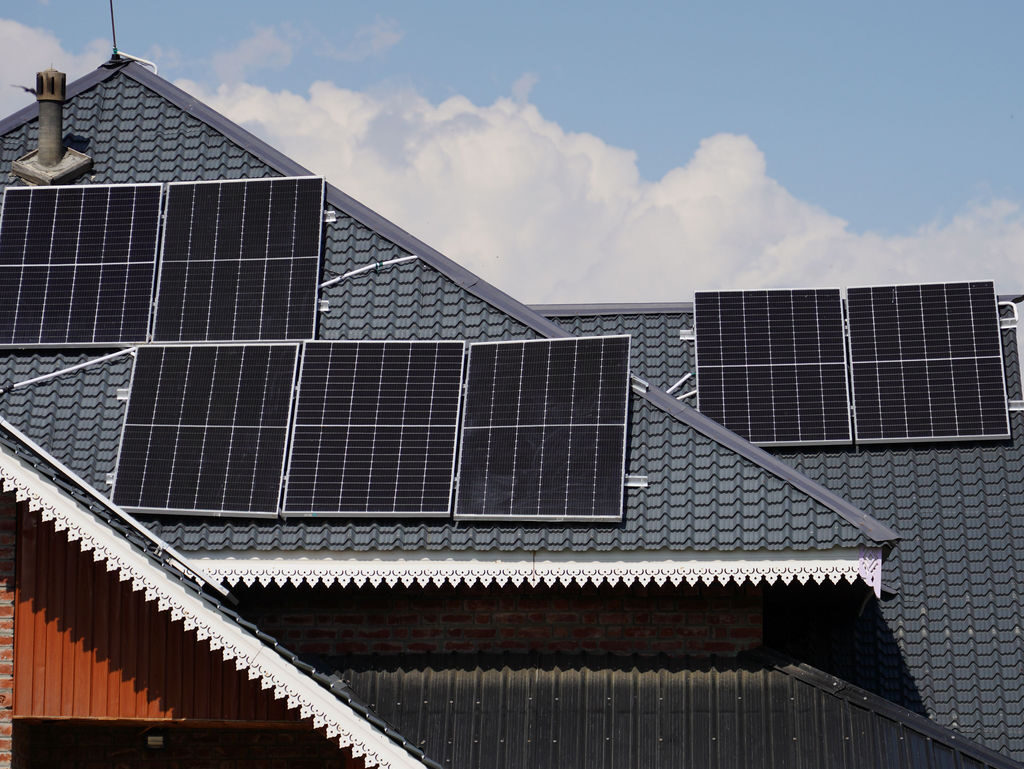
1. Solar-Powered Independent Home, Living Off-Grid Without the Black Mirror Downside
Black Mirror has spent years warning us about technology that consumes more than it gives back. Solar homes are the rare counterpoint: technology that quietly works for you while you sleep.
A solar-integrated home embeds photovoltaic panels directly into the roof structure or walls, generating electricity for daily household use. Surplus energy gets stored in backup batteries for cloudy days or emergencies. The visual result is actually striking, rows of blue-tinted glass panels angled precisely across the roofline give the exterior a clean, purposeful look that reads as architectural rather than retrofitted.
This matters financially too. Around 65% of Gen Z believe households should be doing more to protect the environment, and solar addresses that without requiring sacrifice. The roof is typically angled to optimize sun absorption year-round. Inside, a small wall-mounted monitor tracking daily energy output turns sustainability into something visible and satisfying. Pair that with LED lighting throughout, and the whole system holds together as a coherent philosophy, not just a feature.
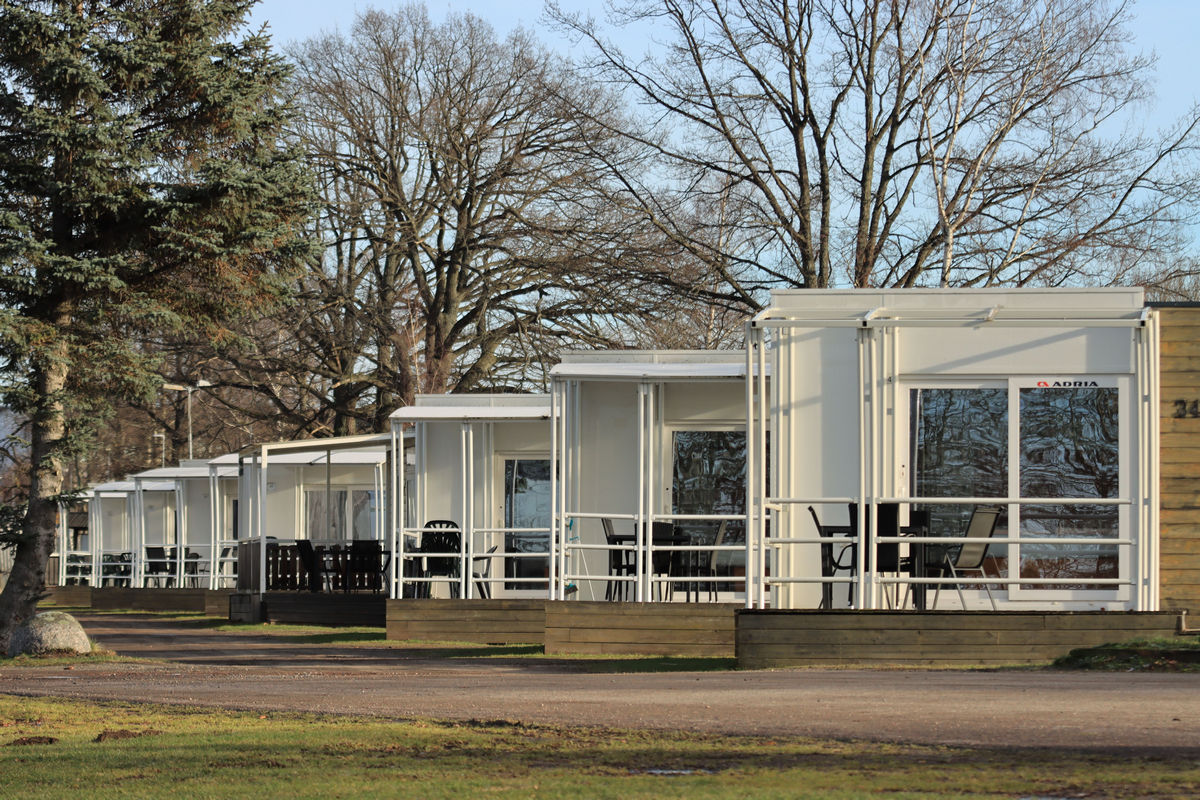
2. Modular Prefab, The Housing Type That Grand Designs Keeps Getting Excited About
If you’ve watched even a handful of Grand Designs episodes, you’ve seen Kevin McCloud’s reaction when a client announces they’re going prefab. The skepticism, then the quiet acknowledgment that the build came in faster, cleaner, and often more precisely than anything built on-site from scratch.
Prefabricated modular homes are produced in factory-controlled conditions, components built off-site, then assembled on location. Waste from the construction process drops significantly compared to conventional builds. The timeline compresses. And because the modules are designed to stack or extend, adding a room later doesn’t require tearing anything down.
Aesthetically, modular homes tend toward clean symmetry: flat surfaces, precise joints, a kind of deliberate orderliness. Resist the urge to cover that up. The factory finish is part of the character. Use sliding shelves or curtain dividers instead of fixed walls to keep the interior flexible, and install smart lighting on the ceiling to lean into the contemporary feel rather than fight it.
3. Bamboo Structure Home, The Calm That Pachinko and Shogun Kept Showing You
There’s a quality of stillness in the visual language of prestige Asian dramas that has nothing to do with pacing. It comes from the materials, bamboo, natural fiber, weathered wood. Surfaces that carry time rather than resist it.
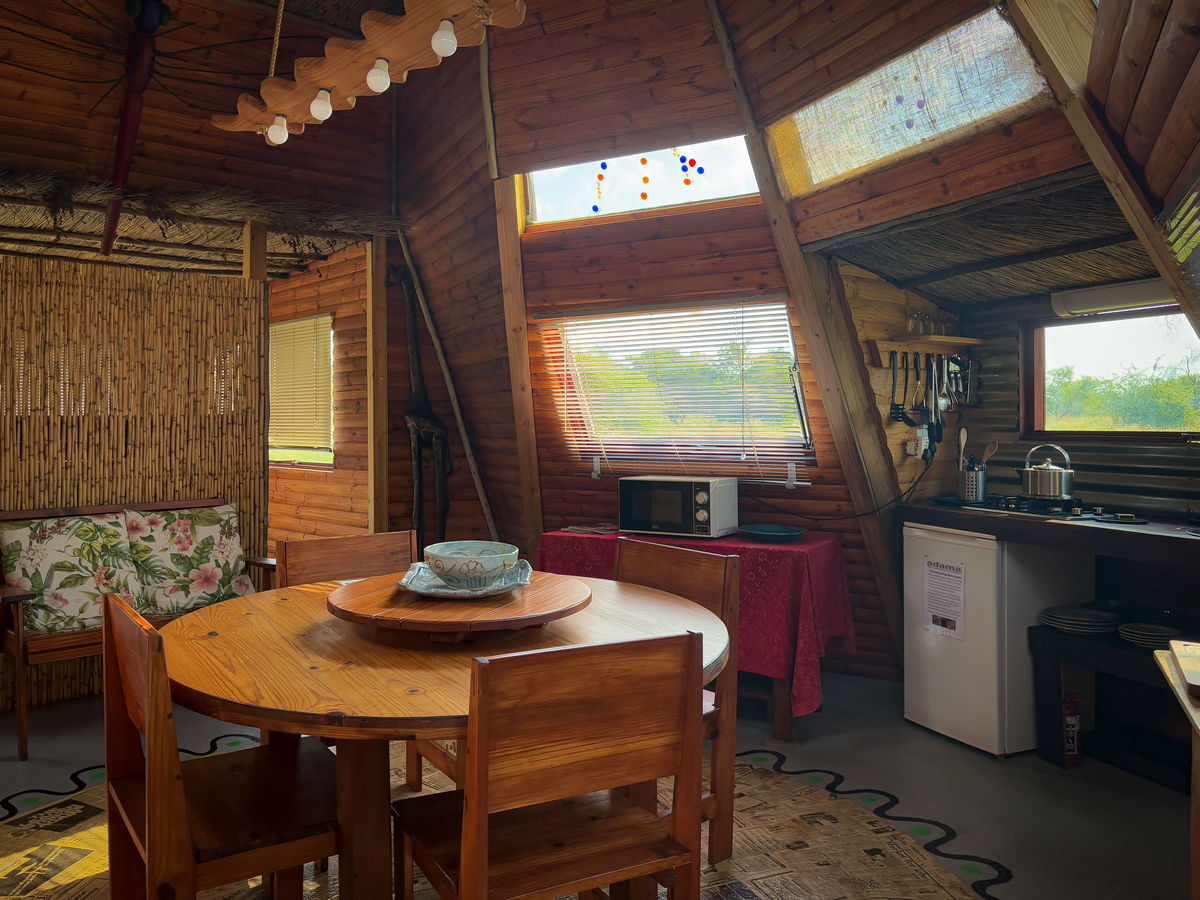
A bamboo home brings that same atmosphere into daily life. Bamboo grows significantly faster than timber, making it one of the most renewable building materials available. When assembled with proper binding techniques, bamboo structures handle seismic activity remarkably well, flexibility being the structural advantage most rigid materials can’t offer.
The visual effect is its own reward: interlocking poles forming walls and ceiling, warm yellow-brown tones that shift with light across the day, gaps that create moving shadow patterns no manufactured material can replicate. To protect the structure without changing its color, apply a transparent anti-termite coating. Keep furniture in matching natural tones, undyed cotton, rattan, linen, and use roll-up sheer curtains to soften airflow rather than block it entirely.
4. Micro Home, More The Bear Energy Than Friends Fantasy
The apartment in Friends was famously impossible: rent-controlled, enormous, impeccably decorated, in the middle of Manhattan. Nobody actually lives like that. The Bear, on the other hand, shows characters carving out real lives in tight urban spaces, every inch deliberate, nothing wasted.
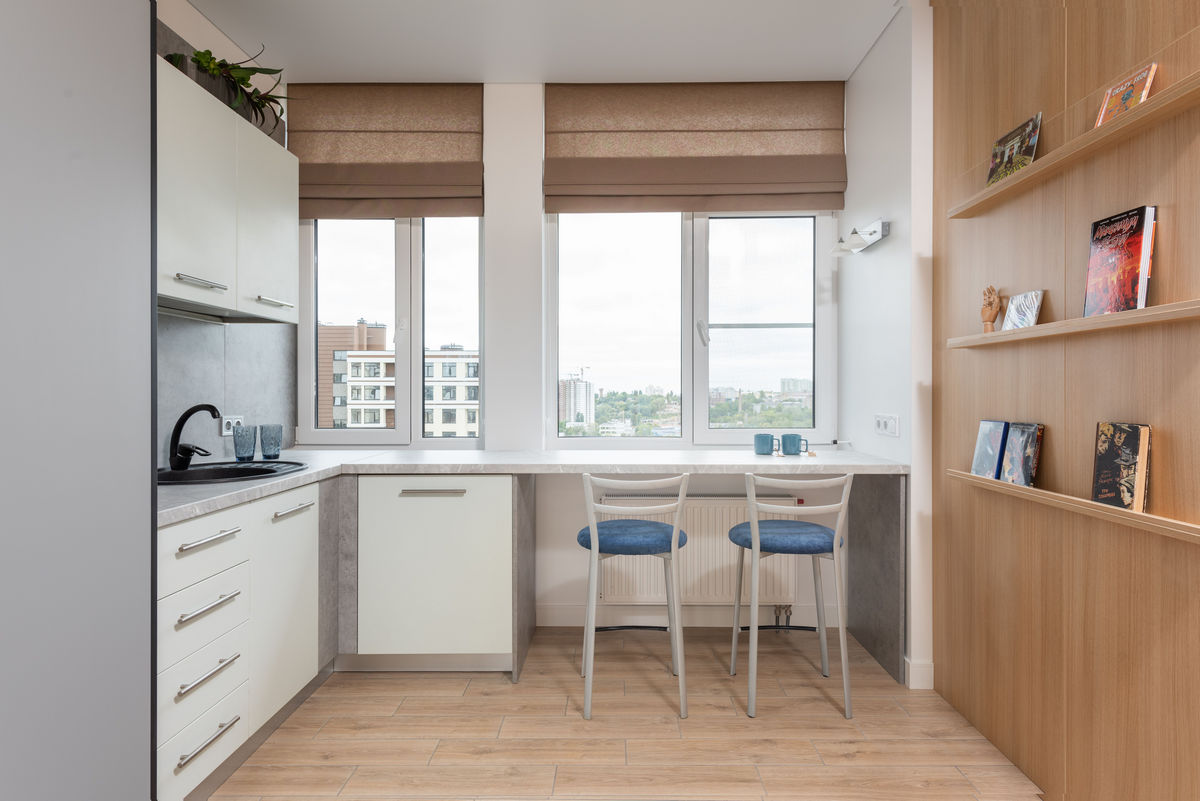
Micro homes operate on that same logic. Designed for dense city living where land is scarce, they strip the floorplan down to what’s actually used: sleeping area, compact bathroom, small kitchen. What they lose in square footage, they recover in intentionality. Ceilings go higher to open up the vertical dimension. Windows are positioned to maximize natural light and keep the interior from ever feeling sealed off.
The practical upside is real. A majority of Gen Z buyers will choose a smaller home if it offers better efficiency and healthier indoor environments, according to the National Association of Realtors’ Sustainability & Housing Report. For micro homes, that trade-off is built into the design. Hidden storage under the floor or inside walls keeps surfaces clear, and multifunctional furniture, a bed with drawers below, a fold-down desk, does the work of separate pieces without taking up separate space.
5. Stilt House (Modern), That Bali Vacation Rental You Screenshotted, But Make It Permanent
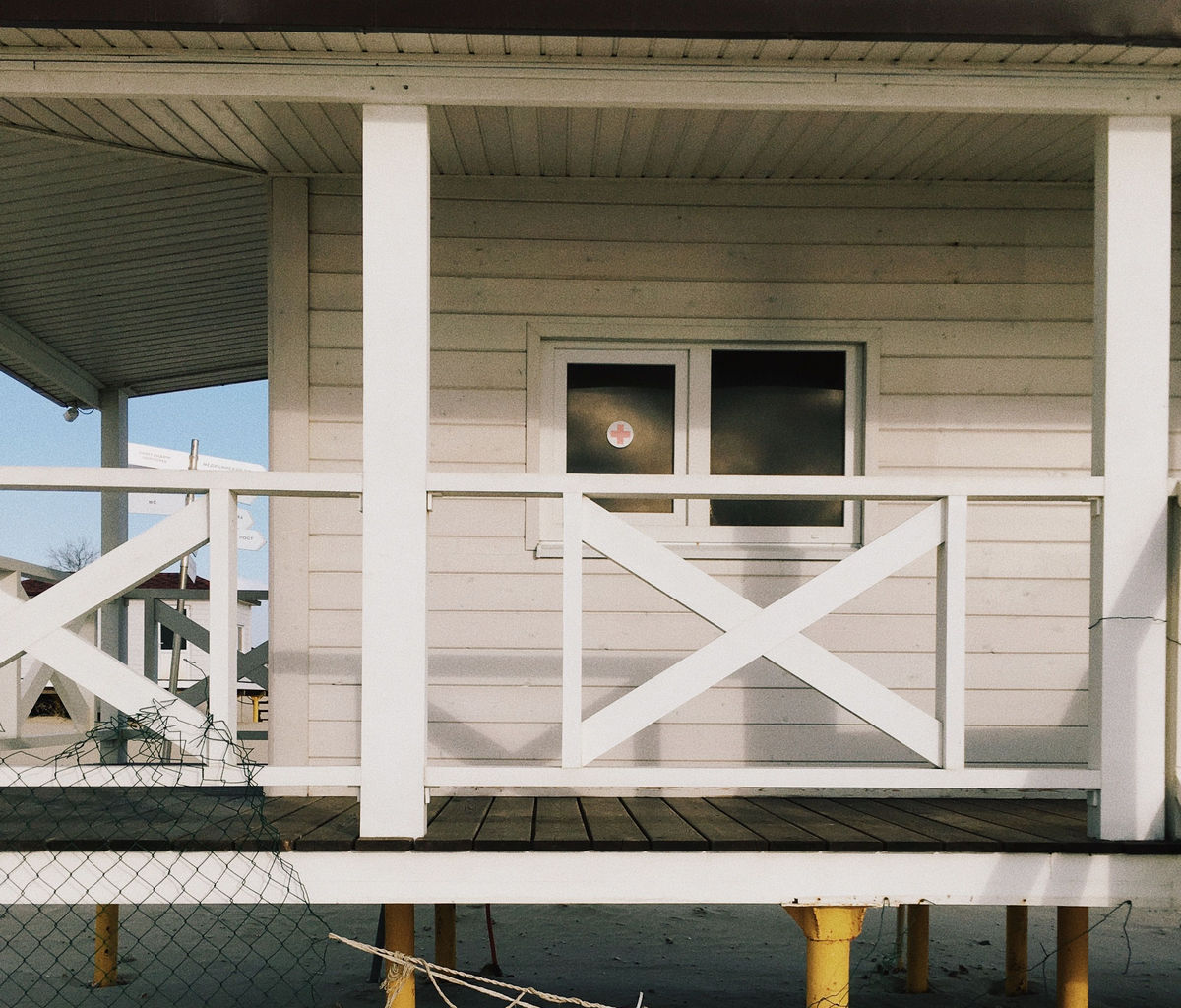
The travel content algorithm has made elevated homes almost unavoidably aspirational. Somewhere between The World’s Most Extraordinary Homes and a particularly good Airbnb scroll, the image of a structure lifted off the ground, surrounded by trees or perched above water, became shorthand for a certain kind of intentional living.
Modern stilt homes adapt the traditional elevated structure with contemporary materials and engineering. Lifting the building off the ground minimizes disruption to the natural land topography, which matters for sustainability. It also handles rainfall and drainage naturally, the ground beneath the structure stays clear, which is a practical advantage in areas with high precipitation.
The exposed support columns create their own visual interest: geometric shadow play across the earth below, a sense that the building is in conversation with its site rather than planted on top of it. Local materials, treated bamboo, engineered timber, strengthen that relationship. Inside, use rattan or woven furniture in the main living area to keep the nature connection consistent, and install recessed exterior lighting to define the structure’s silhouette at night.
6. Container Home, Industrial Without the Squid Game Warehouse Feeling
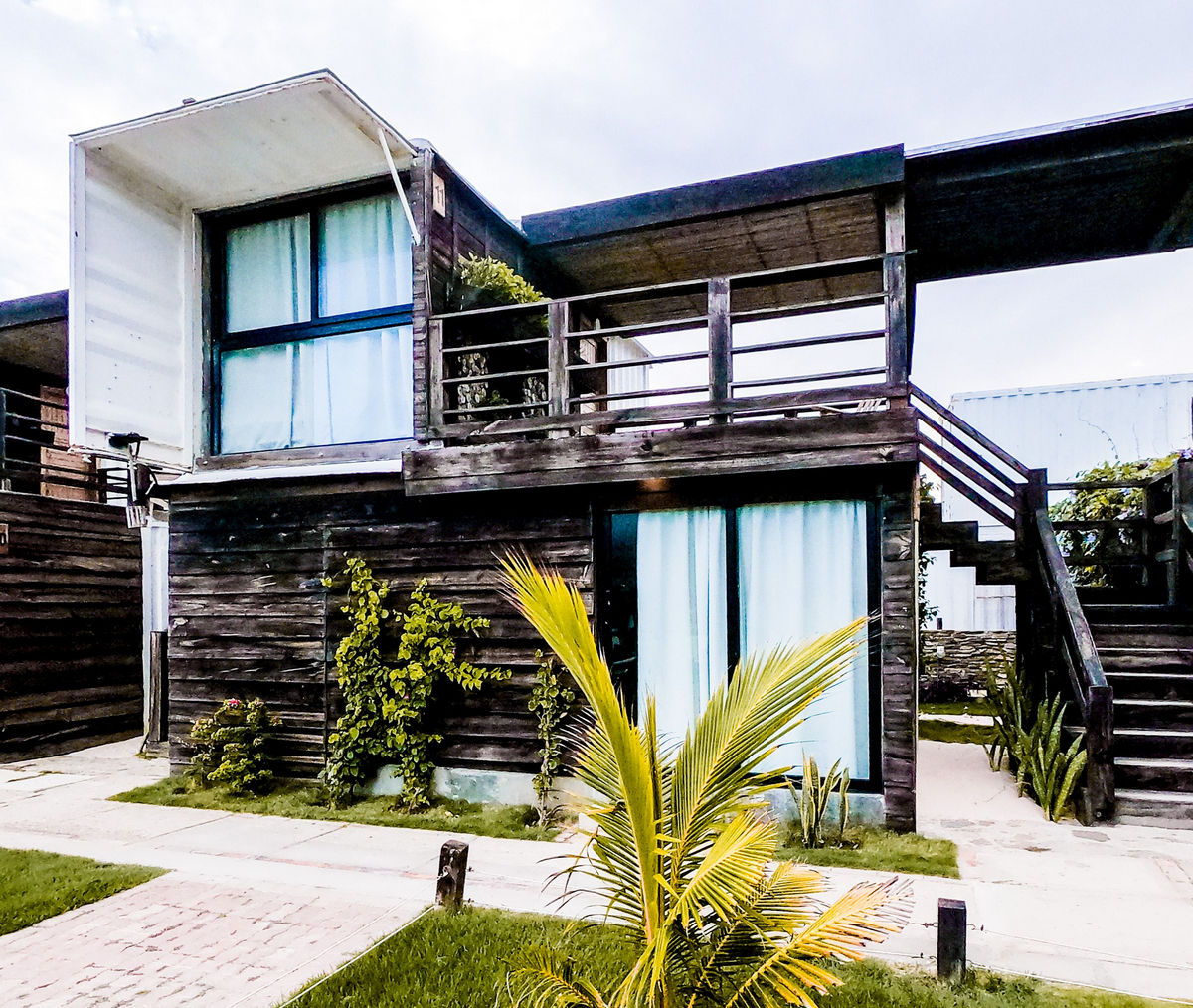
The dormitory in Squid Game is one of the most analyzed sets in recent streaming history. Art director Chae Kyoung-sun built a warehouse-style space with stacked bunks and exposed metal, deliberately evoking the feeling of human beings stored rather than housed. The industrial aesthetic was intentional, and unsettling.
Container homes take the same visual vocabulary, steel, geometric forms, raw material surfaces, and redirect it completely. Repurposed shipping containers become living structures with relatively low construction costs and fast build times, which matters for a generation that, according to Bank of America’s 2024 Homebuyer Insights Report, ranks affordability above almost everything else when buying property.
Large glass windows cut into the steel frame pull in natural light and disrupt the box-like feel. Interior wood paneling on one or two walls introduces warmth without covering the container’s character. Keep the color palette to whites, light grays, and one material accent, the architecture does enough on its own. Foldable or double-duty furniture keeps the floor clear and the space functional.
7. Rooftop Garden Home, A Severance Antidote, One Plant at a Time
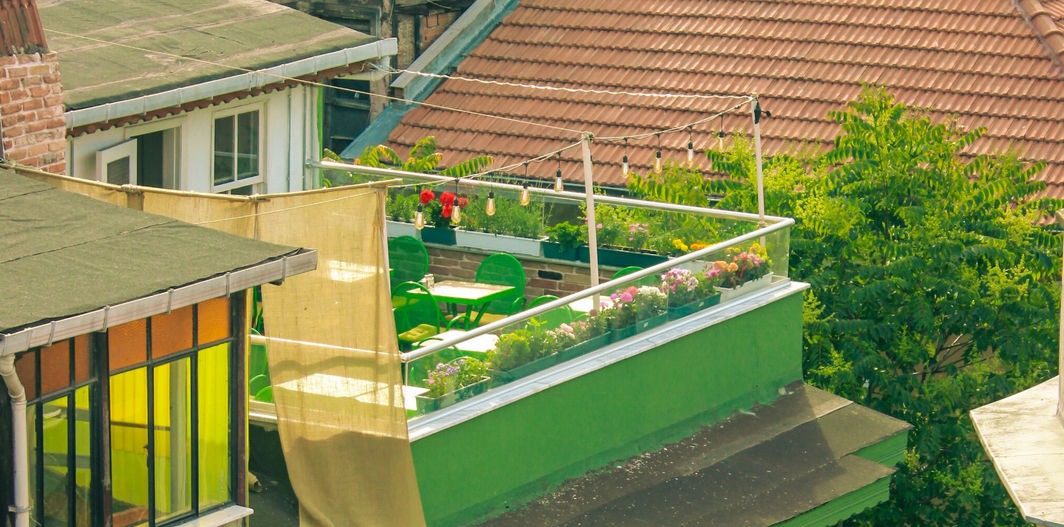
Severance uses architecture as psychological control. The office spaces are precise, colorless, and completely sealed from the natural world. There are no plants. No weather. No sky. The effect is suffocating by design.
A rooftop garden home is the architectural opposite. Placing a garden at the top of a building isn’t just aesthetic, the plants act as a natural heat insulator, reducing indoor temperatures and cutting the need for air conditioning. In cities where green space is scarce and building density is high, a private rooftop garden becomes genuinely rare: outdoor space that belongs entirely to you, with an open sky above it.
Plant selection matters. Rooftop conditions are exposed, direct sun, wind, temperature variation, so choose species that thrive rather than survive. Outdoor timber decking, a few weather-resistant chairs, and decent ambient lighting turn the functional green space into somewhere worth spending time. One maintenance note that often gets skipped: drainage systems on rooftop gardens need regular attention to prevent leakage into the rooms below.
8. Communal Cluster Housing, Queer Eye Taught Us That Home Is About Connection
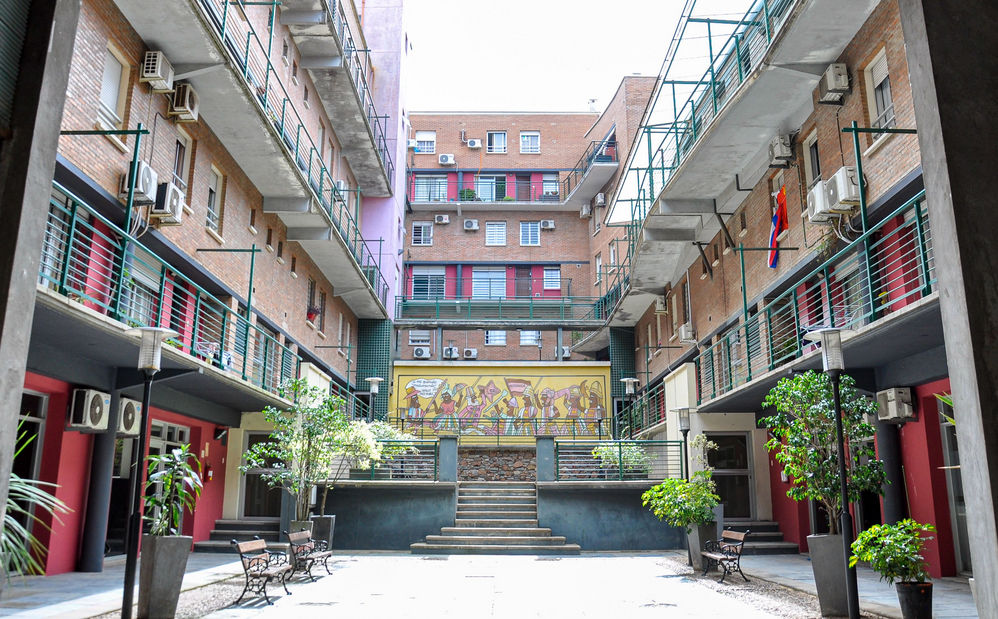
Bobby Berk (and now Jeremiah Brent) always works from the same starting point in Queer Eye: who is this person, and how should their home support the life they actually want to live? The answer usually involves more connection, not more square footage.
Communal cluster housing is built around that same idea. Individual units stay compact and private, but shared infrastructure, a communal kitchen, a central garden, co-working space, lowers the overall cost of living by distributing maintenance across residents. With roughly 56% of Gen Z living paycheck to paycheck, shared living isn’t a compromise, it’s a practical decision that also happens to work socially.
Design-wise, clusters balance privacy and openness: units positioned close enough to create community, separated enough that residents can opt out when they need to. The shared garden at the center is the visual and social anchor. Inside individual units, flexible room arrangements, a sleeping area that doubles as a workspace, portable dividers that adapt to guests, make a small footprint feel genuinely complete.
9. Loft Apartment, Vertical Space Done Right, Not the Friends Version
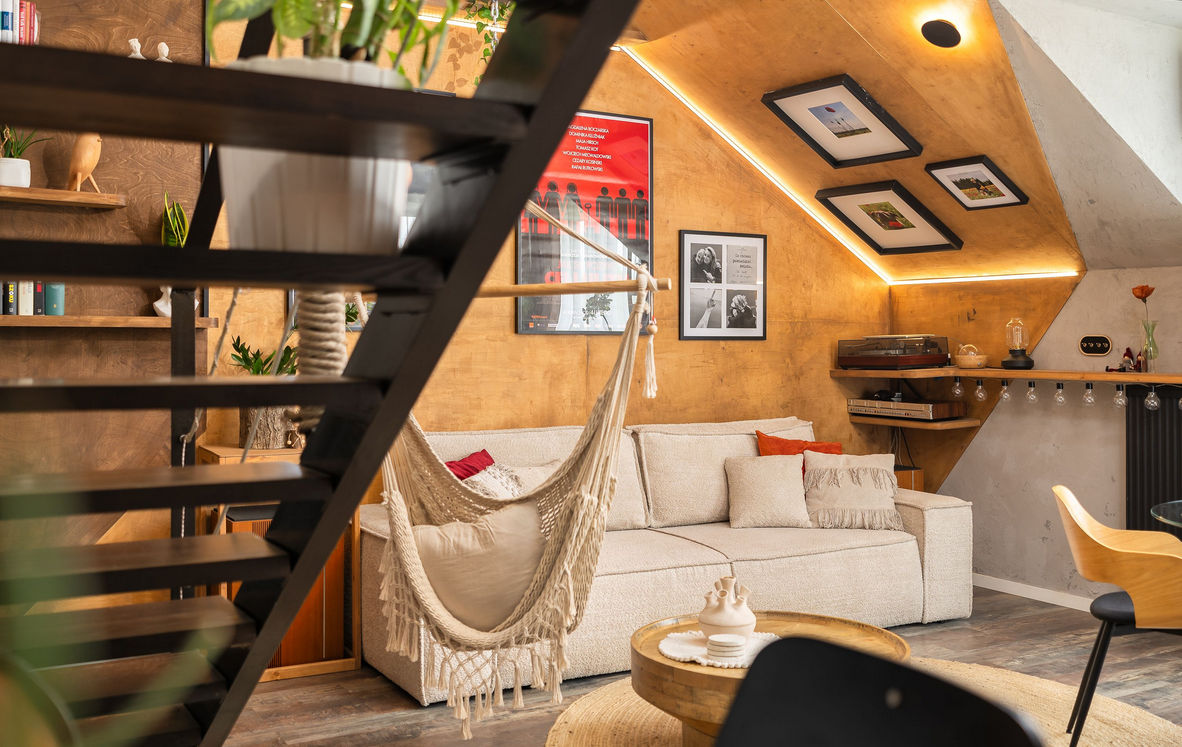
Everyone knows the Friends apartment was economically impossible. But the idea of it, ceilings high enough to breathe, open floor plan, a staircase that’s actually a design element, has influenced what people want from urban living more than any other fictional interior in TV history.
A loft solves the same spatial problems without the rent-control fantasy. The mezzanine level, a half-open upper floor added within a single building height, divides sleeping from living without closing off either zone. The result is a two-floor feeling in a one-floor footprint, with the vertical dimension doing the heavy lifting.
The staircase is worth investing in. Positioned centrally, it becomes the room’s main visual statement, not just circulation but character. Keep large furniture against walls to preserve floor movement, and use the space beneath the stairs as storage or a dedicated work nook. A simple pendant light hung in the open vertical space above fills the height without crowding it.
10. Earthship (Semi-Underground), Into the Wild Energy, With the Wisdom to Keep the Roof
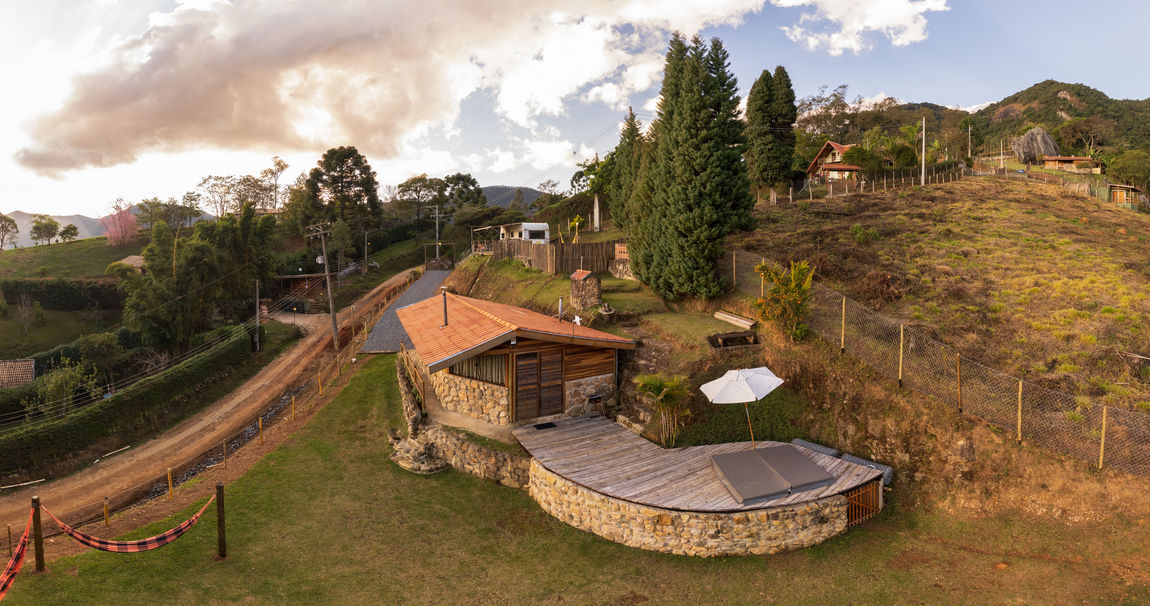
Into the Wild romanticizes departure from systems, the grid, the economy, the expectations. What Chris McCandless got wrong was the preparation. What Earthship architecture gets right is making that independence structurally viable.
A semi-underground home uses the earth itself as a building material. Walls partially embedded in the ground harness the thermal mass of the soil, naturally warm in cold weather, naturally cool in heat, without mechanical systems doing that work. The result is one of the most energy-efficient home types available. Passive solar design positions the main windows toward the sun’s path, collecting warmth through glass without panels or pumps.
From the outside, an Earthship reads as part of the landscape rather than placed on it, curved walls, a profile that follows the terrain. Inside, the earth-wall texture is genuinely beautiful when treated with a thin water-based paint wash: visible, tactile, nothing like drywall. Low-profile furniture suits the curved ceiling lines, and a few strategically placed mirrors redirect daylight deeper into the interior without adding artificial light.
The Bigger Picture
Gen Z doesn’t aspire to own the biggest house on the block. They aspire to own the smartest one. That shift didn’t happen in a vacuum, it was shaped by economic pressure, climate anxiety, and years of consuming visual content that showed what spaces could actually feel like when designed with intention.
The ten types above aren’t a checklist. They’re starting points. Pick the one that matches how you actually want to live, not how a floor plan brochure tells you to, and go from there.
Your screen habits already gave you the taste. Now you just need the walls.