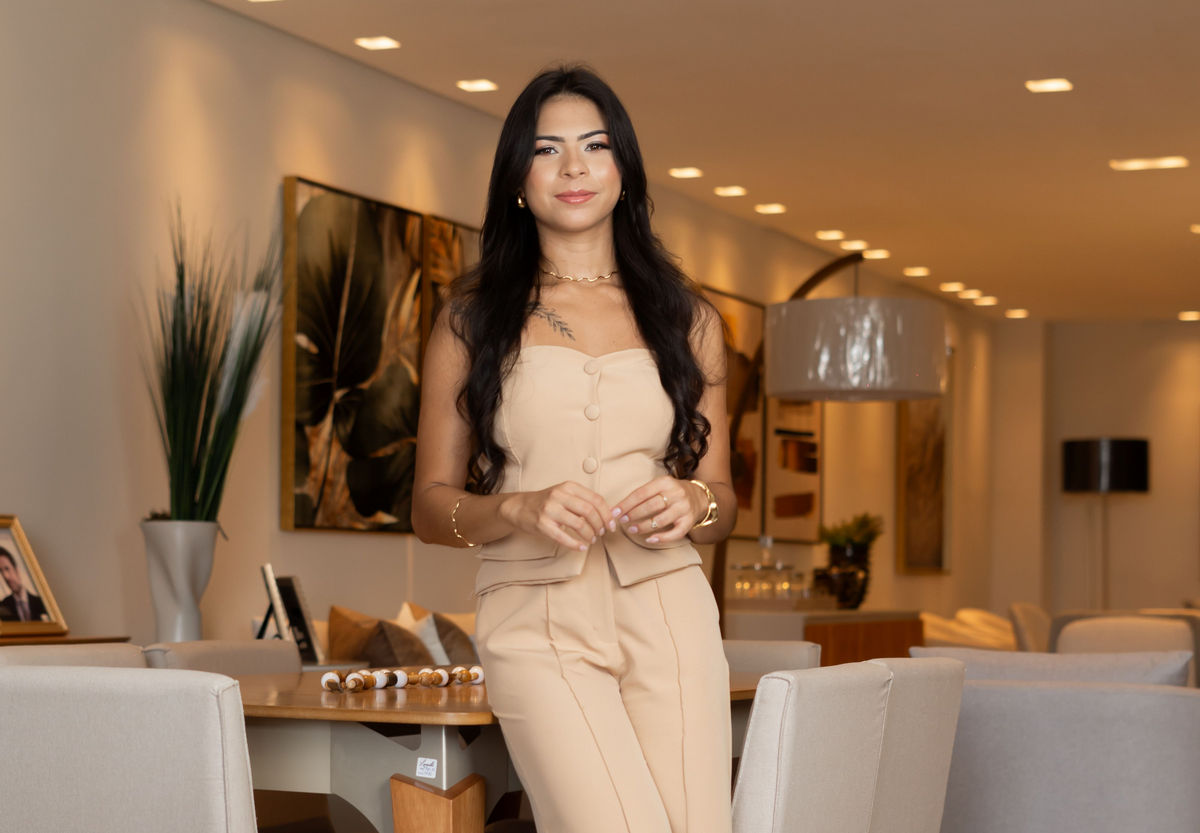
There’s a specific kind of scene that keeps appearing in Korean dramas. No dramatic confrontation, no sweeping orchestral cue. Just a woman in a perfectly cut neutral blazer, standing in a room where everything, the furniture, the light, the flower arrangement on the console table, is exactly right. She doesn’t explain herself. The room explains her.
That’s quiet luxury. And K-drama has been doing it longer, and better, than most Western fashion coverage wants to admit.
The term has exploded in search interest since 2023, earning what analysts describe as over 300% growth in Google searches and billions of views across TikTok. But while Western discourse around quiet luxury tends to circle the same handful of references, Succession, The Row, old money prep, Korean dramas have been building entire visual worlds around this aesthetic for years. The difference is that K-drama quiet luxury isn’t just about what you wear. It extends to how you live: the spaces you occupy, the way you move through them, the things you choose to keep visible and the things you don’t.
This piece is not a shopping list. It’s about understanding the logic behind the aesthetic, and how to apply it to real life without spending chaebol money.
What K-Drama Actually Means by “Quiet Luxury”
It helps to look at two dramas that represent opposite ends of the chaebol spectrum, and understand why one feels like quiet luxury while the other is just loud luxury in a nicer suit.
Queen of Tears (2024), Netflix’s most-watched Korean series of all time, with 682.6 million hours viewed according to the platform’s Engagement Report, is visually opulent. Hong Hae-in wears Chanel on her first episode appearance. The house is enormous. The flowers are always fresh. But the aesthetic registers more as conspicuous wealth than quiet luxury: the logos are visible, the rooms are maximalist, the message is deliberate.
Mine (2021), by contrast, operates differently. The Hyowon family estate in that drama is formal and restrained. Viewers who watch it describe the interiors as “elegant and sophisticated to look at, with costuming that matched the sets.” The luxury there isn’t announced, it’s built into the architecture of every scene, the way fabric drapes, the texture of surfaces. If you stripped the characters out, the rooms themselves would still communicate something about taste, restraint, and accumulated refinement.
That gap, between luxury that displays itself and luxury that simply exists, is the entire conversation.
The Three Pillars, As K-Drama Teaches Them
1. The Neutral Foundation Is Non-Negotiable
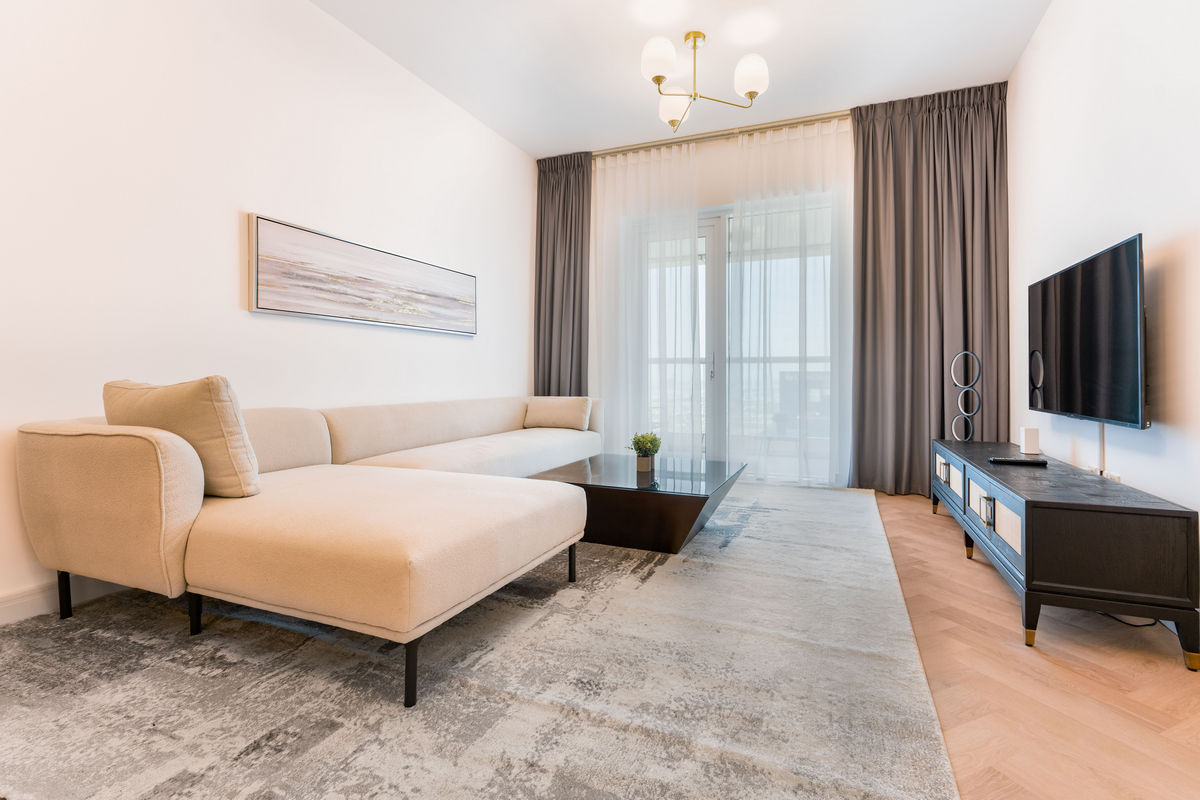
Across the most visually consistent K-dramas, Crash Landing on You, My Mister, Little Women, the residential spaces share a palette: oatmeal, stone, warm white, soft charcoal. Not white-white, not grey-grey. The tones that live in between, that read differently depending on the light in the room.
The quiet luxury aesthetic favors calm tones like oatmeal, stone, navy, charcoal, cream, and soft black, layered with different shades from the same color family to add depth rather than contrast.
In practice, this means paint colors that look slightly wrong on a chip but right on a wall. It means resisting the urge to add a bright accent because the room “needs” something. The rooms in well-styled K-dramas rarely need anything. They’re complete in their quietness.
2. Texture Does the Work That Color Doesn’t
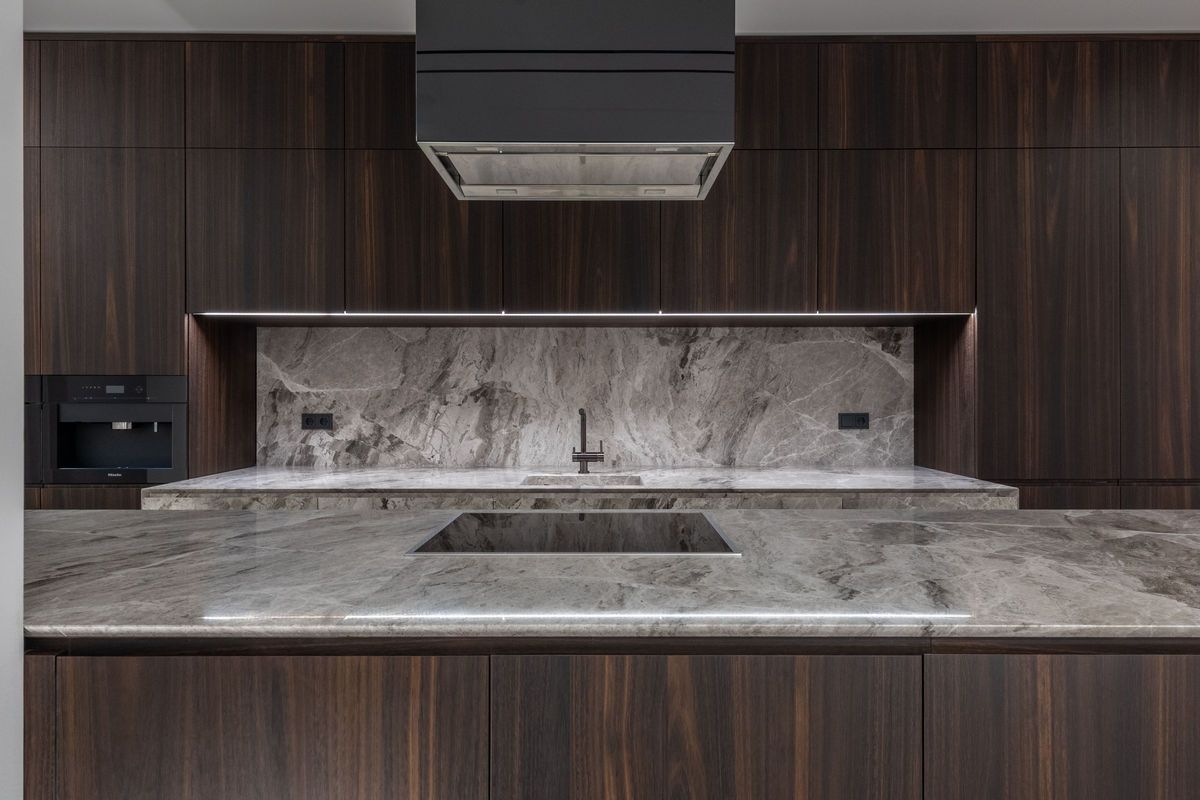
When a space is built on neutrals, texture becomes the entire conversation. K-drama interiors that land well tend to layer materials with genuine deliberation: linen curtains that pool slightly on the floor, a marble surface that isn’t polished to a mirror finish, a wooden console that shows grain rather than hides it.
Quiet luxury in home design should be highly layered, focusing on textures, timeless furniture and wood tones, quality materials, and muted, neutral tones, the opposite of minimalist, which can feel sparing and cold.
The important distinction: this is layering, not cluttering. The surfaces in a quiet luxury space are curated rather than collected. Each object earns its place. One meaningful ceramic. One piece of art that doesn’t compete with the room. Flower arrangements that look considered rather than purchased.
3. The Clothing Logic and the Room Logic Are the Same
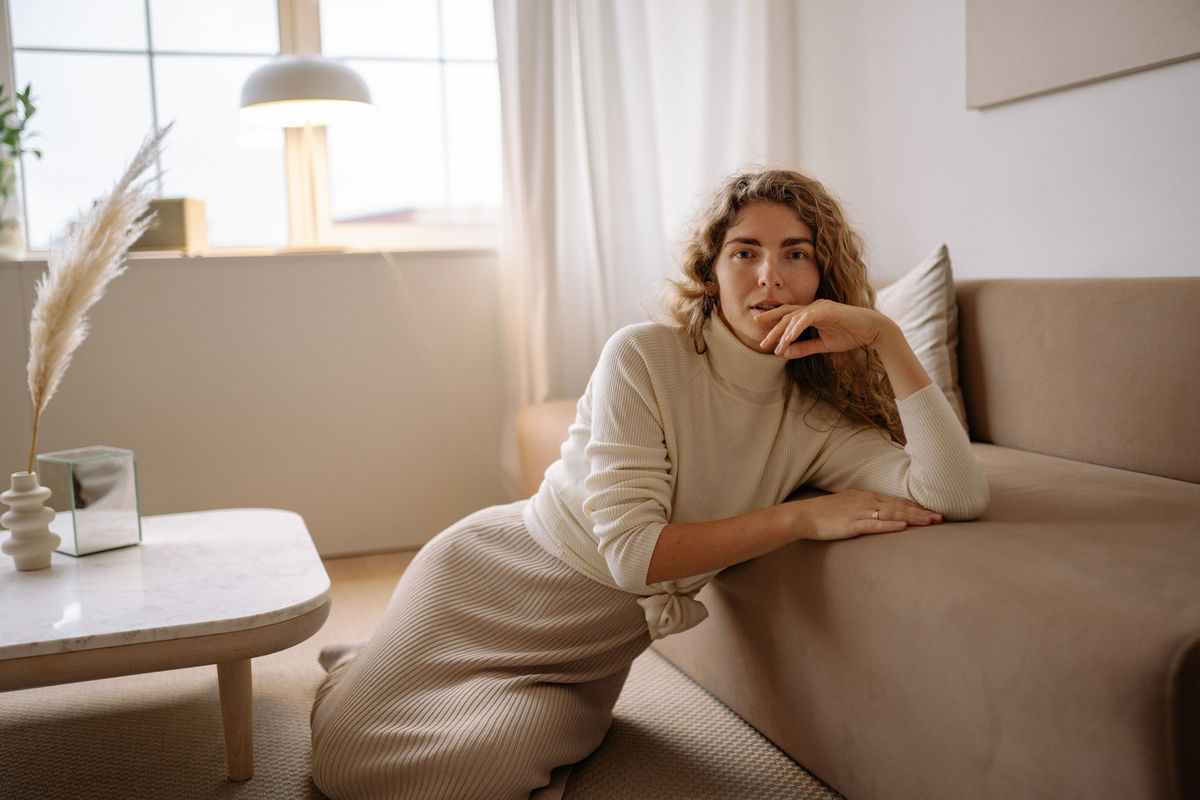
This is the part most lifestyle pieces miss. Quiet luxury isn’t a wardrobe strategy that you then apply separately to interiors. In K-drama, the most visually coherent characters dress in a way that could plausibly belong in the rooms they occupy. The fabrics mirror the surfaces. The silhouettes echo the architecture.
Quiet luxury focuses on fine materials, expert craftsmanship, and timeless design, the opposite of logo-mania. It’s about pieces that whisper their worth through superior quality rather than visible branding.
Hong Hae-in’s Chanel in Queen of Tears is beautiful, but it announces itself. The women in Mine wear things that are expensive without needing you to know the brand. That’s the distinction that matters for anyone trying to apply this to real life: the goal is coherence, not price tags.
What This Looks Like on an Actual Budget

The honest version of this conversation acknowledges that the rooms in Mine and the wardrobes in My Mister were designed by professionals working with production budgets. You are not a third-generation chaebol heiress. Neither am I.
But the underlying principles don’t require the budget. They require a different way of making decisions.
On clothing: Invest in fit before brand. A well-tailored piece from a mid-range label will read as quiet luxury; a badly-fitted designer piece won’t. Focus on fabrics that photograph well in natural light, dense knits, woven cotton, linen blends — rather than synthetics that lose their shape. Build a base of neutrals that actually work together, not neutrals that theoretically match but clash in real light.
Quiet luxury clothing brands like Loro Piana, The Row, and Brunello Cucinelli embody the aesthetic at the luxury level, while high-street options like COS, Zara, and Abercrombie offer accessible takes on the same style philosophy.
On interiors: One genuinely good piece beats five mediocre ones every time. Incorporate a few antiques or timeless pieces, just one or two in a room, to give a grounding, deeper feeling that is more curated and less cataloged. The rest can be affordable, as long as the proportions are right and the palette holds together.
The single most effective and underrated move: edit ruthlessly. The rooms in well-styled K-dramas contain fewer objects than you think. What remains is chosen. The space around objects matters as much as the objects themselves.
The Part Nobody Talks About
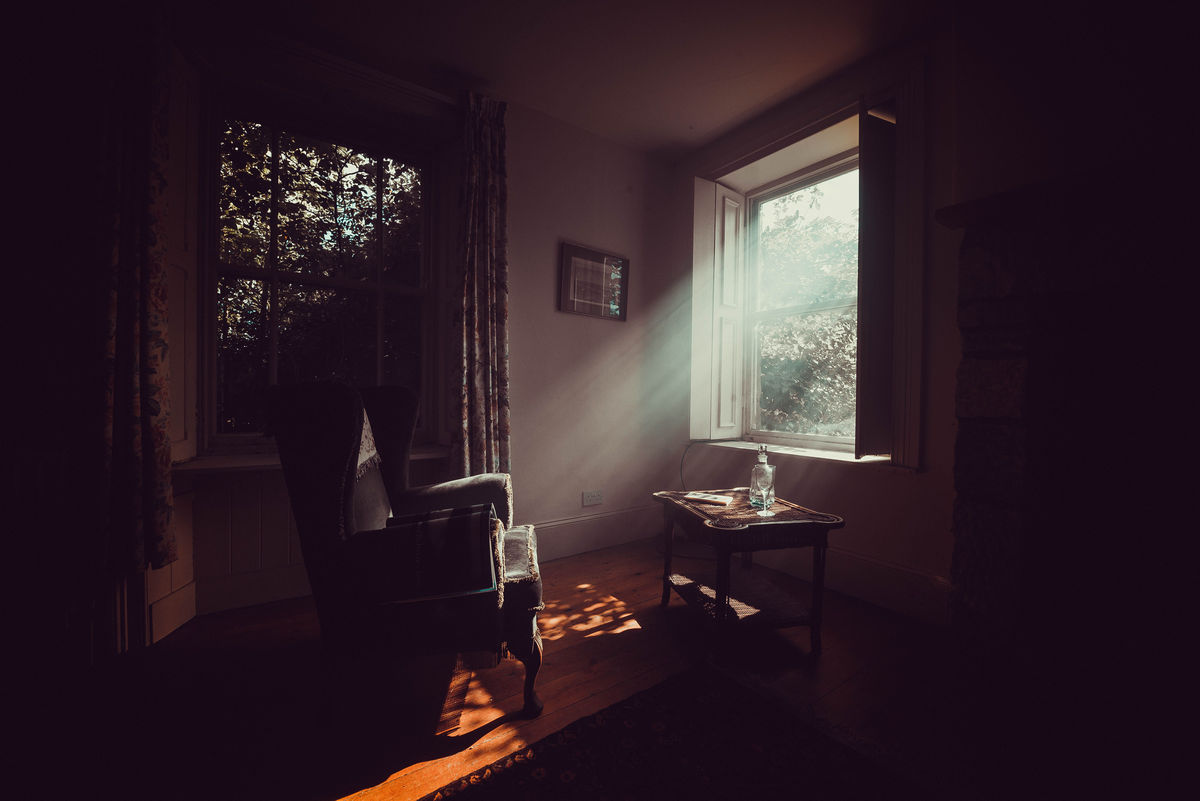
Quiet luxury in K-drama is partly aspirational, it’s set design serving a narrative about people who have made it. But the more interesting dramas use it critically. In Mine, the beautiful restraint of the Hyowon estate is also suffocating. The aesthetic discipline mirrors the emotional control expected of the women who live there. The “quiet” in quiet luxury, in that context, is also silence.
That tension is worth holding onto. The aesthetic works best when it’s chosen rather than performed, when it reflects how you actually want to live rather than how you want to be perceived. The difference shows, in rooms and in people.
A well-cut coat in a neutral that works with your skin tone, a room where everything present is there for a reason, a consistency between how you dress and how you live: none of that requires a drama-sized budget. It requires a different relationship with accumulation, buying less, choosing more carefully, and being genuinely okay with space that doesn’t fill itself.