A friend of mine sent me a link a few weeks ago with a one-line message: “watch this, it’s a different kind of Bollywood movie.” That word “Bollywood” was doing a lot of work, honestly, because the only reason she filed it under that label was Arjun Rampal’s name in the cast. The actual lead is Diljit Dosanjh, and calling him just an actor undersells things a bit, the man built his name as a singer first, in Punjabi music, long before he became a face people recognize in Hindi cinema.
That detail is exactly what pulled me in. I’d been on a bit of a run of Telugu films built around social themes lately, drawn to how they keep things simple and let the topic carry the weight instead of leaning on spectacle. Satluj looked like it might scratch the same itch, except this one comes with an extra layer: it’s based on a real person and real events, which changes how you sit through it.
What The Film Is Actually About
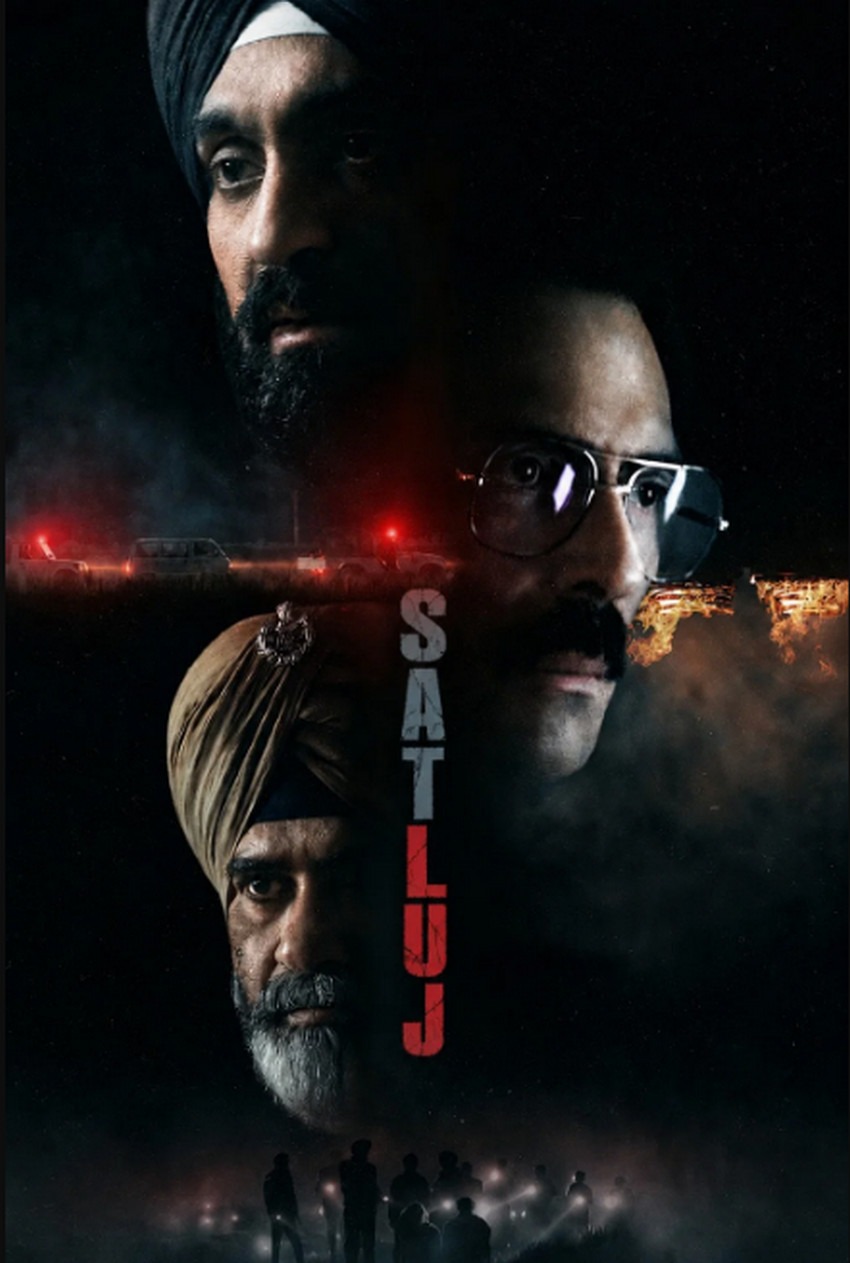
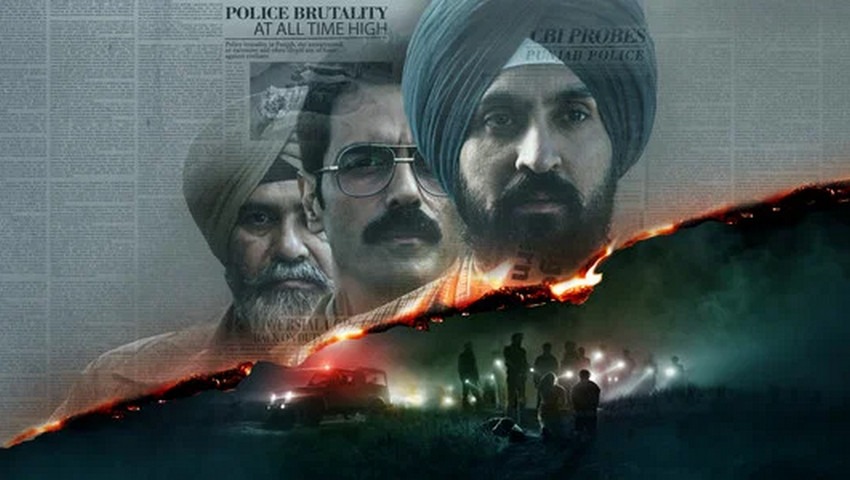
Satluj is set around the disappearances of a large number of people in and around the Sutlej region, during the years when the conflict between security forces and militants labeled as insurgents was at its worst. What starts as an operation meant to root out armed threats slowly turns into something else, a system some people inside it start using for their own gain, until the killing of innocent civilians becomes routine because there’s profit in it for the people running the operation. That shift, from a stated mission to a quiet business, is the part of the film that stayed with me the longest.
I couldn’t help thinking about G30S back home while watching it. Different country, different decade, but the same pattern shows up: mass killings carried out under the banner of eliminating a threat, and a huge number of the dead were people who genuinely had no idea what was happening around them.
Diljit plays Jaswant Singh, and that name isn’t fictional, the film is drawing directly from the life of Jaswant Singh Khalra, the human rights activist who exposed the scale of these disappearances and was killed for it in 1995. Diljit plays him with restraint rather than star power, which works. He doesn’t perform outrage; he lets the weight of what his character uncovers do that on its own. It’s a genuinely good performance from someone who could have easily leaned on charisma instead.
The Ending, and Why It Feels Off
If I’m being honest, the ending lands a bit strangely, there’s a rhythm to it that feels interrupted, like something got smoothed over that shouldn’t have been. Once I looked into why, it made sense. Satluj went through years of trouble before reaching audiences at all. It was originally announced under a different title (Punjab 95, and before that, reportedly Ghallughara) as far back as 2023, and by the time a 2025 release was being planned, the Central Board of Film Certification came back demanding more than 120 cuts before it would grant certification. Director Honey Trehan reportedly said afterward that what remained didn’t feel like his film anymore.
And yet, somehow, it did eventually reach viewers, quietly, without a theatrical push, landing on ZEE5 under its new name instead of the one it was originally announced with. That backstory explains a lot about why certain scenes feel like they’re missing connective tissue. It’s not a flaw in the storytelling instinct behind the film; it’s a flaw in what was allowed to survive the process.
Worth Your Time?
Yes, with the caveat that this isn’t an easy watch, and it isn’t meant to be. Diljit and Arjun Rampal both play it straight rather than dramatic, the atmosphere is heavy in a way that feels earned, and the true story underneath it gives the whole thing a weight that fiction alone couldn’t. The rough patches near the end are worth sitting through for what the film gets right everywhere else.