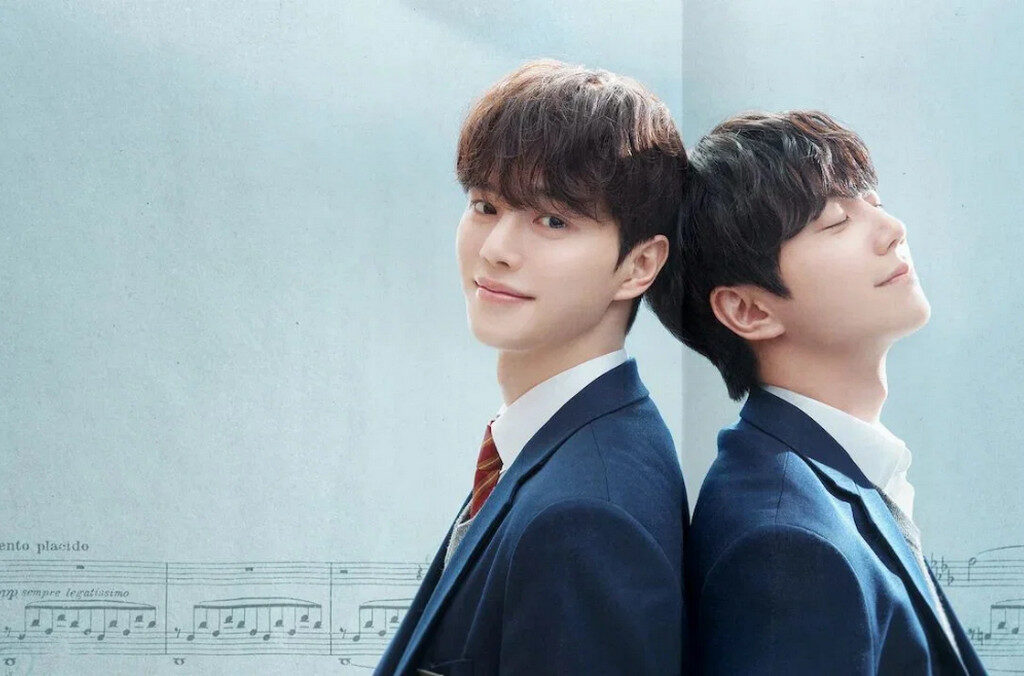
If Four Hands, Two Sonatas left you emotionally wrung out over Kang Pi-o and Choi Jeong-yo’s piano rivalry-turned-bond, you’re not alone. There’s something about watching two gifted, wounded people fight for the same dream that hits differently, especially when that dream is set against the quiet violence of a music conservatory hallway.
I went down a rabbit hole after finishing the first few episodes, trying to find something that scratched the same itch: the pressure of talent, the ache of friendship under competition, and that bittersweet coming-of-age feeling of watching kids grow into the adults their art demands they become.
Below are 11 Korean dramas that capture that same emotional register, some through classical music, some through dance or band culture, and a few through pure, unfiltered youth drama. If you loved the “two pianists, one fate” energy of Four Hands, Two Sonatas, these are your next watches.
1. Dream High
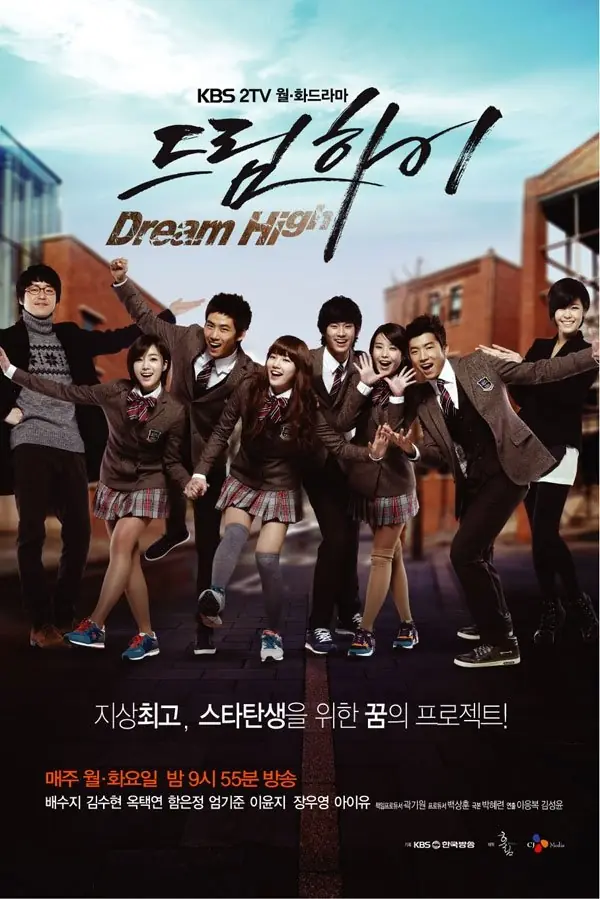
Before Four Hands, Two Sonatas made piano keys feel like battlegrounds, Dream High did the same for an entire performing arts high school. The story follows a group of aspiring K-pop idols at Kirin Art School, each hiding a secret reason for chasing fame instead of following their real passion.
What makes it comparable isn’t just the school setting, it’s the emotional architecture. Talent here is both a gift and a cage, and every character is quietly terrified of being outshined by someone more naturally gifted. Suzy and Kim Soo-hyun’s performances anchor a drama that, despite its glossy idol-world packaging, is really about young people learning who they are under pressure. It’s the genre’s most iconic “arts school” drama for a reason.
2. Navillera
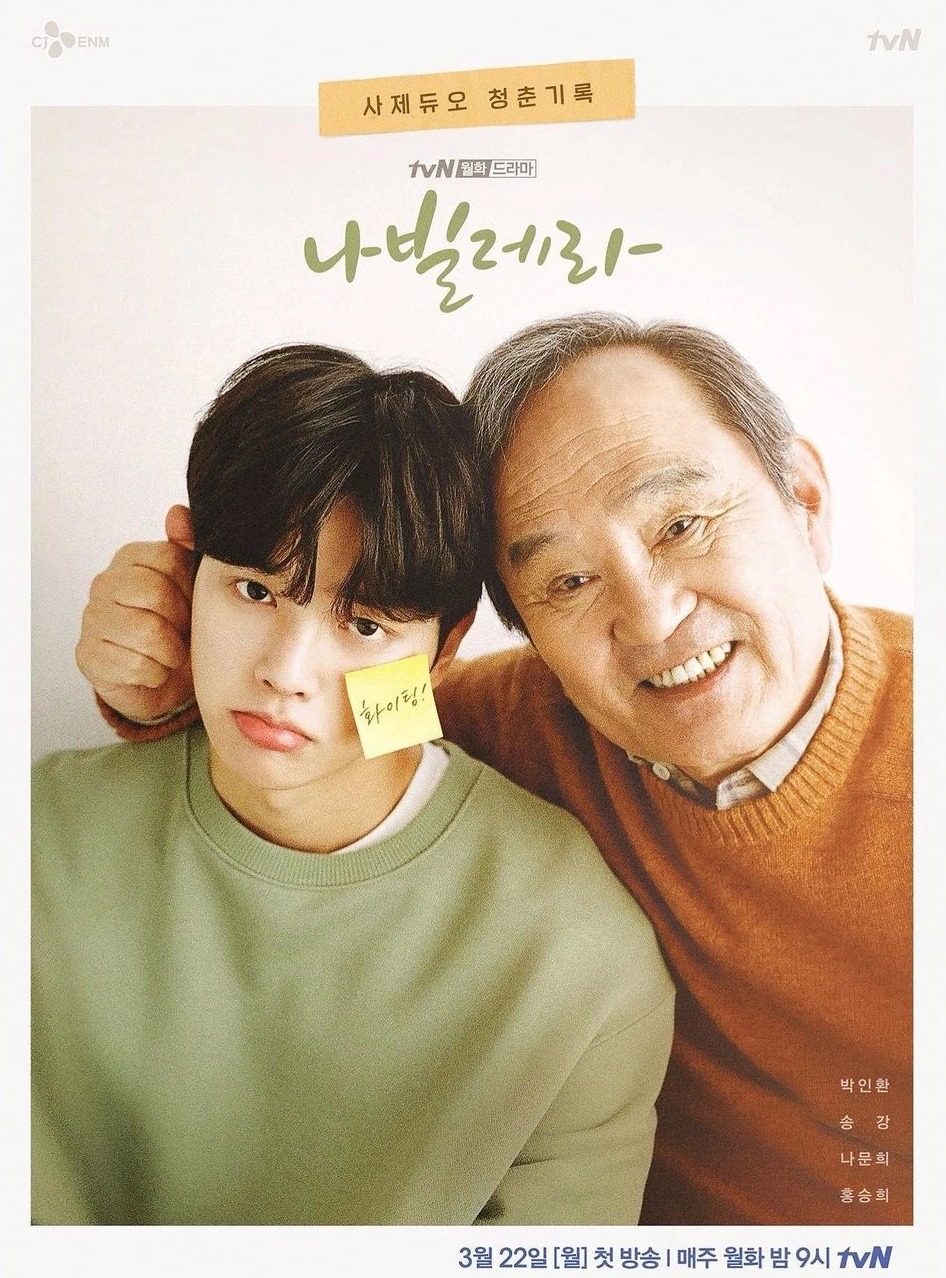
This one’s an unusual comparison, but stick with me. Navillera isn’t about teenagers, it follows a 70-year-old man who decides to pursue his lifelong dream of ballet, mentored by a gifted but emotionally guarded 23-year-old dancer. Interestingly, this exact pairing is what several early reviewers of Four Hands, Two Sonatas pointed to when describing its emotional tone.
The parallel lies in the mentor-rival dynamic and the idea that artistic mastery always comes at a personal cost. Where Pi-o and Jeong-yo fight for the same piano seat, the leads in Navillera fight against time, doubt, and family expectations. It’s slower and more meditative, but if you cried during the quieter piano scenes of Four Hands, this drama will hit the same nerve.
3. Do You Like Brahms?
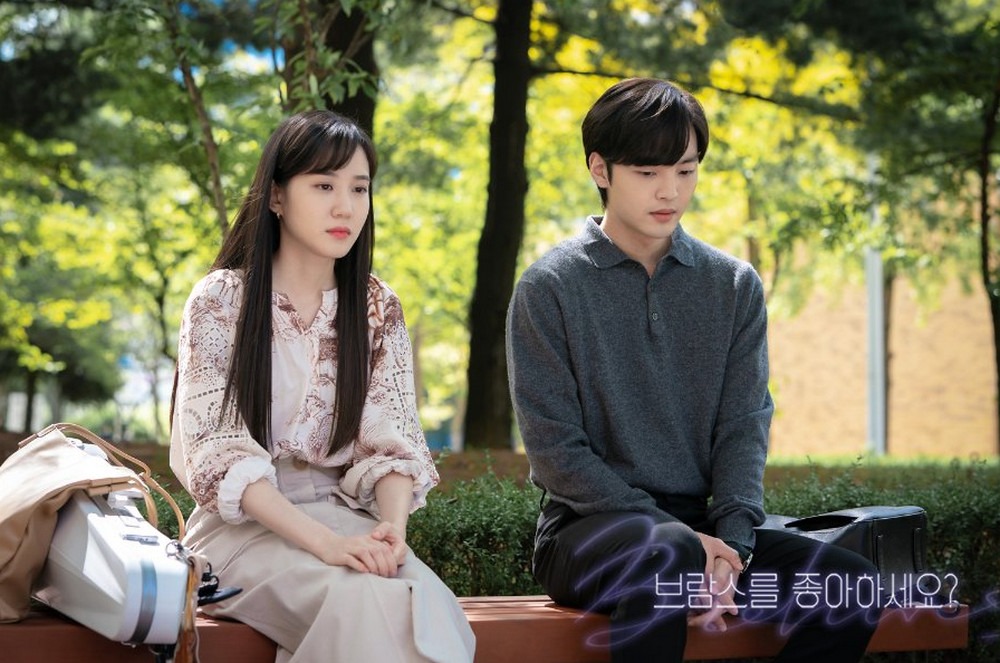
If you wanted more of the actual conservatory world, practice rooms, competition anxiety, and the specific loneliness of being “talented but not talented enough”, Do You Like Brahms? is essential viewing. It follows a violinist who’s spent her whole life being second-best and a former piano prodigy who walked away from music entirely.
This drama leans harder into romance than Four Hands, Two Sonatas, but the DNA is nearly identical: classical music as both love language and battlefield, plus a genuinely moving exploration of what happens when passion and reality don’t align. Park Eun-bin’s performance as Chae Song-ah captures that specific ache of loving something the world keeps telling you you’re not good enough for.
4. Beethoven Virus
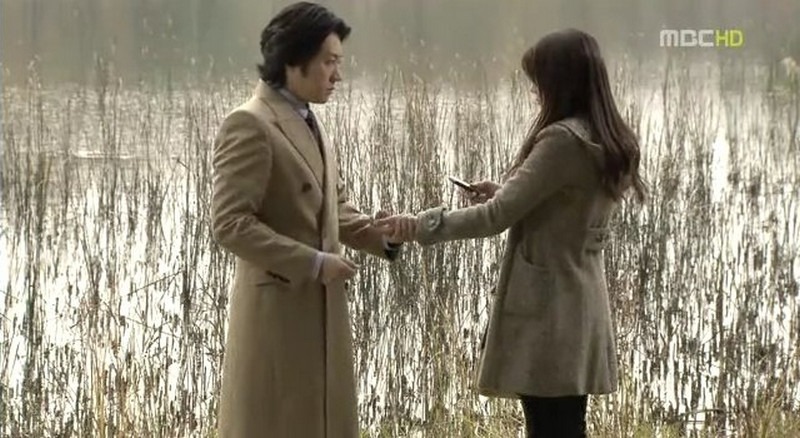
For a slightly older but no less powerful take on classical music rivalry, Beethoven Virus deserves a spot on this list. It centers on an amateur orchestra whipped into shape by a brutally perfectionist conductor, and the tension between raw natural talent and hard-earned discipline.
This is arguably the drama that laid the groundwork for every “genius vs. hard worker” conflict Korean music dramas have used since, including the Pi-o and Jeong-yo dynamic. It’s older, the production values feel dated, but the emotional stakes around what music actually means to people who’ve sacrificed everything for it still land hard.
5. Twinkling Watermelon
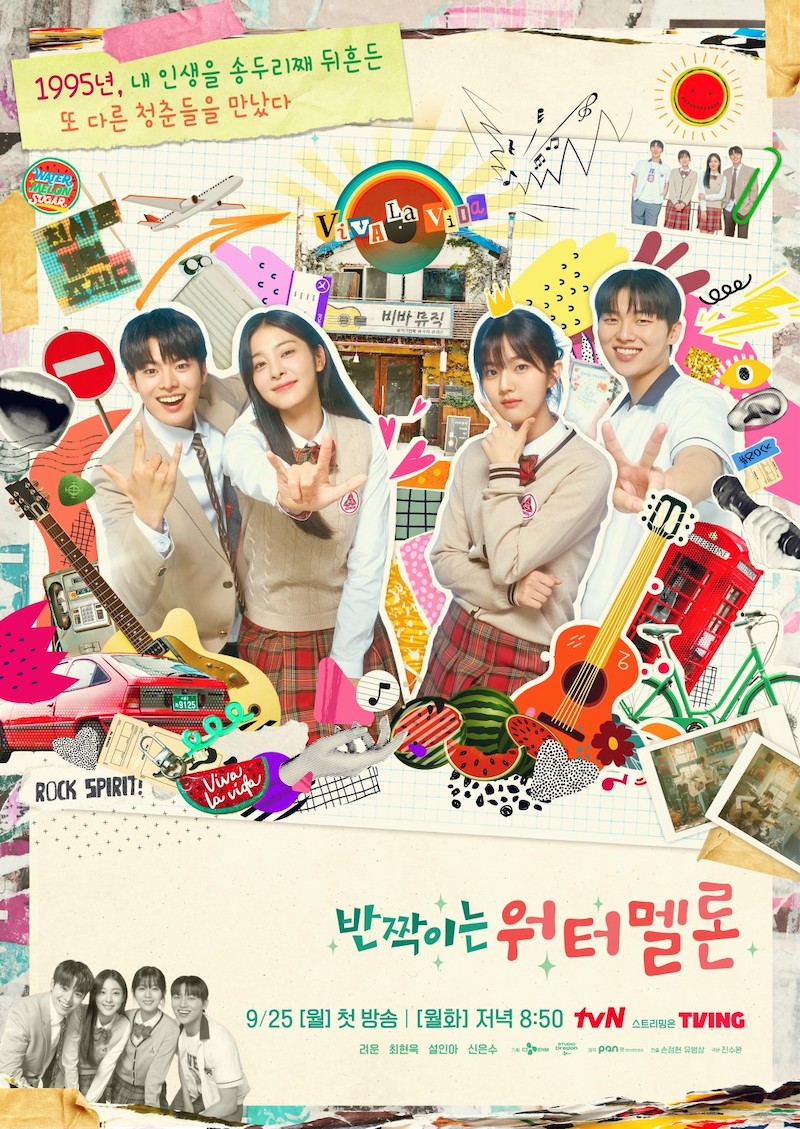
A more recent pick, Twinkling Watermelon mixes time-travel fantasy with a coming-of-age band story, following a deaf teenager who forms a band while secretly communicating with his own father, trapped in the past as a teenager himself. It sounds complicated on paper, but the emotional core is simple: music as a way to be understood.
Where Four Hands, Two Sonatas uses piano to explore isolation and connection, Twinkling Watermelon does the same through a scrappy high school band. Both dramas treat music less as a career goal and more as an emotional lifeline for kids who don’t otherwise know how to say what they feel.
6. The Liar and His Lover
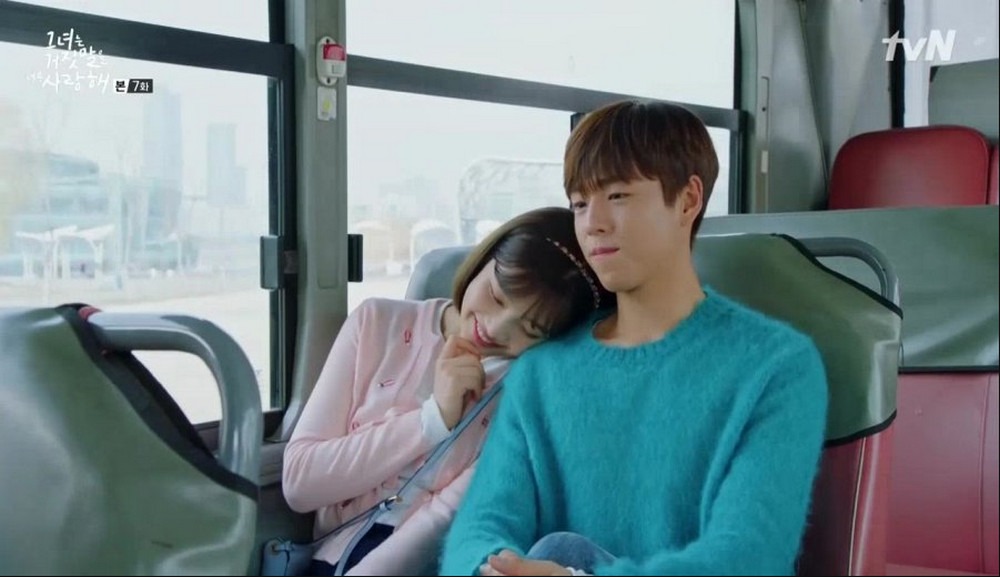
Based on the popular webtoon of the same name, this drama follows a high schooler who’s unexpectedly recruited into a struggling band, only to find herself falling for its brooding lead vocalist. It’s lighter and more romance-forward than Four Hands, Two Sonatas, but the underlying theme, music as identity, and the fear of losing yourself to someone else’s spotlight, is very much present.
If you enjoyed the softer, more youthful chemistry between the leads in Four Hands, this drama offers a gentler, more high-school-romance version of that same emotional beat.
7. Do Do Sol Sol La La Sol
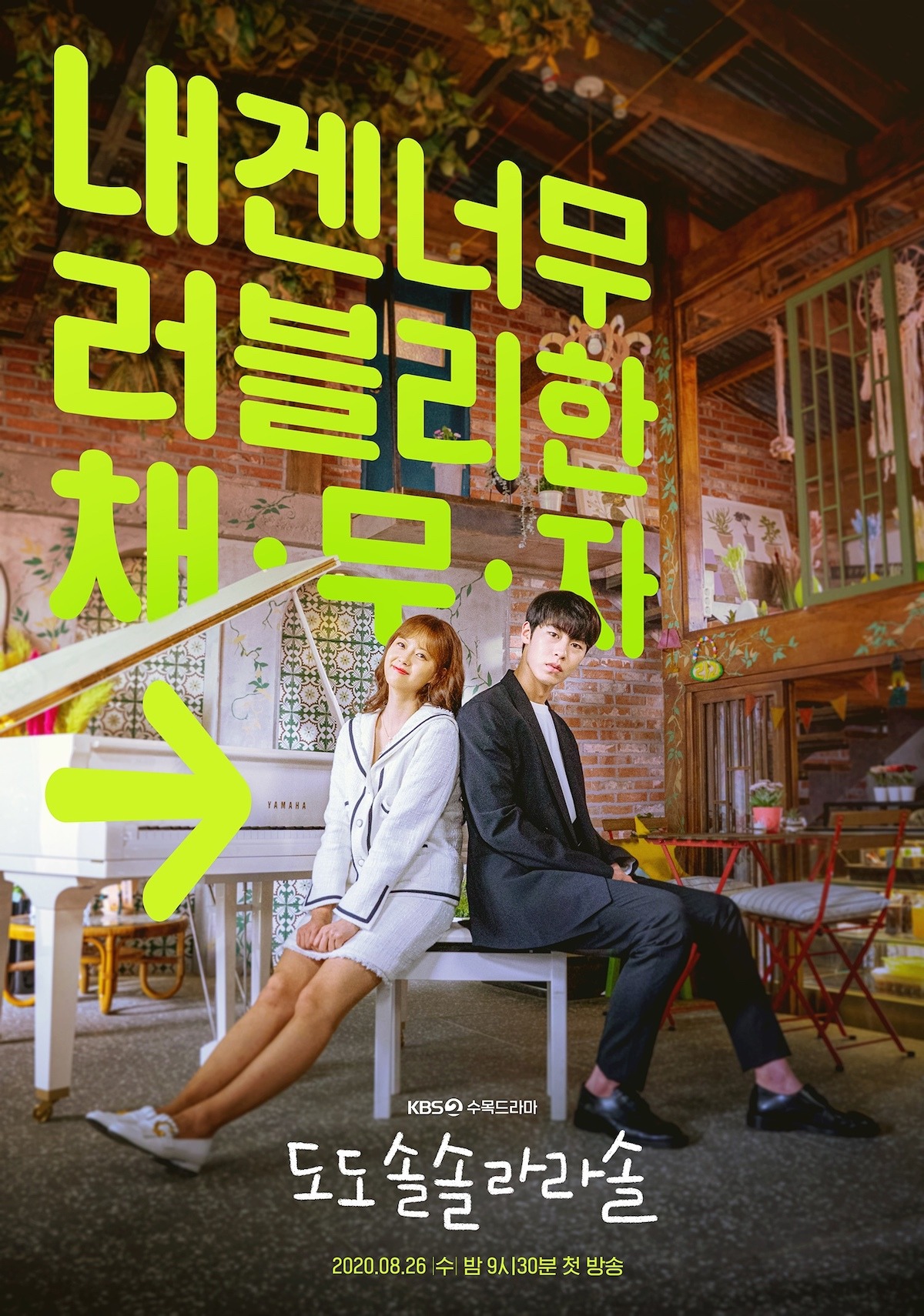
Skipping ahead to adulthood, Do Do Sol Sol La La Sol follows a former piano prodigy who abandoned classical music for pop composition after a public failure, only to be pulled back into the world he left behind. It’s essentially the “what happens after the rivalry ends” story that Four Hands, Two Sonatas hasn’t shown us yet.
This drama is worth watching precisely because it answers the question every music-school drama eventually asks: what happens when the applause stops and you have to build an adult life around a talent the world has moved past? It’s a quieter, more melancholic watch, but a rewarding one.
8. The Sound of Magic
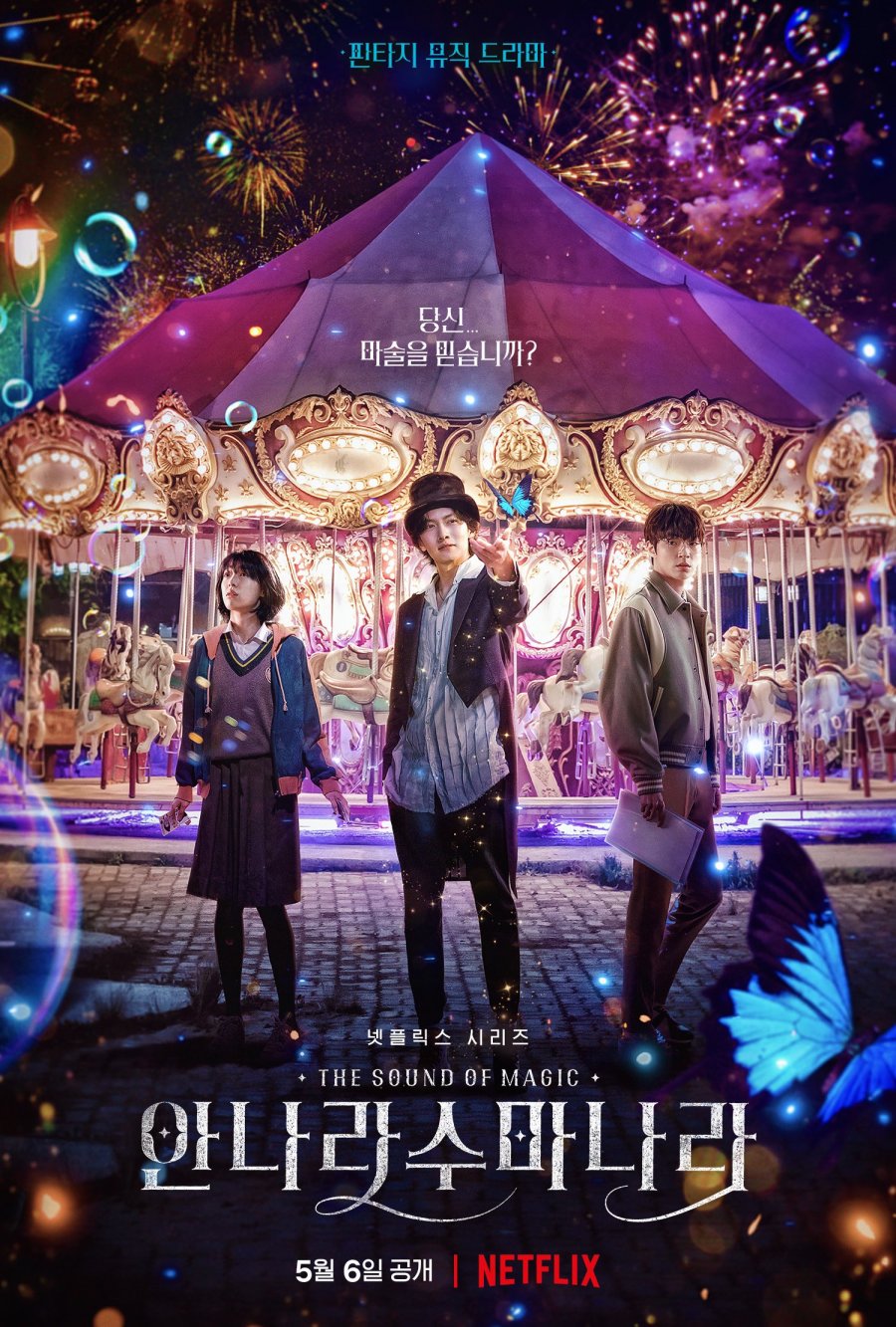
Netflix’s musical fantasy adaptation of the webtoon Annarasumanara trades realism for magical realism, following a struggling high schooler who befriends a mysterious magician living in an abandoned amusement park. Music here functions as escapism from poverty, exam pressure, and family dysfunction.
It’s tonally the furthest from Four Hands, Two Sonatas on this list, but thematically similar in one key way: both dramas ask whether art can save you from a world that keeps demanding practicality over passion. If you want the same emotional stakes wrapped in something more whimsical, this is the pick.
9. Twenty-Five Twenty-One
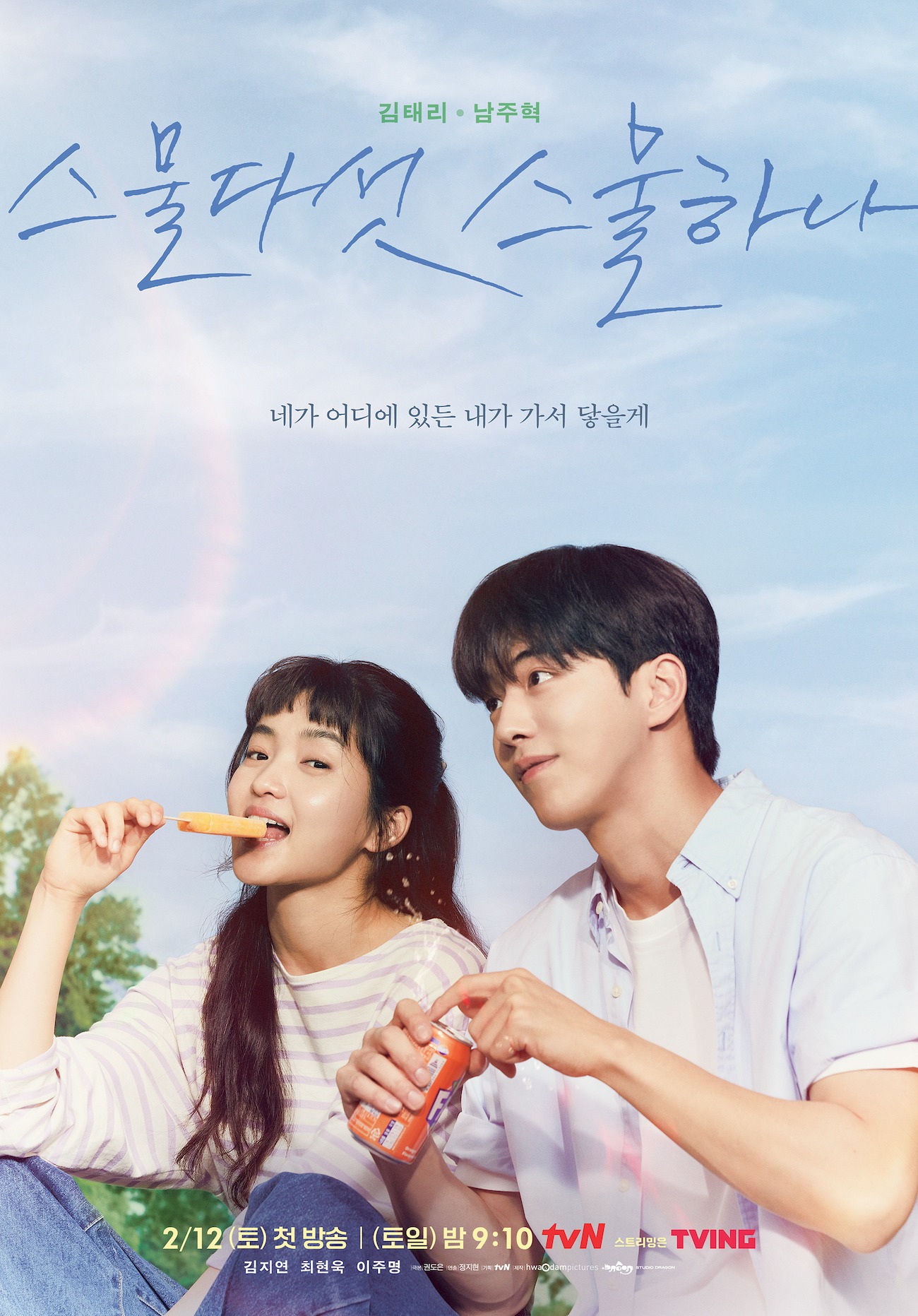
Not a music drama at all, this one centers on competitive fencing, but the emotional shape is nearly a mirror image of Four Hands, Two Sonatas. Two young athletes start as rivals, become each other’s closest confidants, and slowly fall into a relationship complicated by ambition, timing, and the different paths their success takes them down.
The reason it belongs on this list is the specific flavor of nostalgia both dramas share: the bittersweet knowledge, even while watching the leads at their happiest, that growing up will eventually pull them apart. If that undertone is what got you emotionally invested in Four Hands, this drama will devastate you in the best way.
10. Weightlifting Fairy Kim Bok-joo

A lighter entry, but an important one, this university drama follows a competitive weightlifter navigating friendship, first love, and the particular identity crisis of being extraordinary at something the world doesn’t fully respect. Like Four Hands, Two Sonatas, it’s fundamentally about young people figuring out who they are outside of their talent.
It’s less intense and considerably more comedic than the other entries here, making it a good palate cleanser if you need a break from classical-music-induced heartbreak while still wanting that “youth chasing a dream” energy.
11. Reply 1988
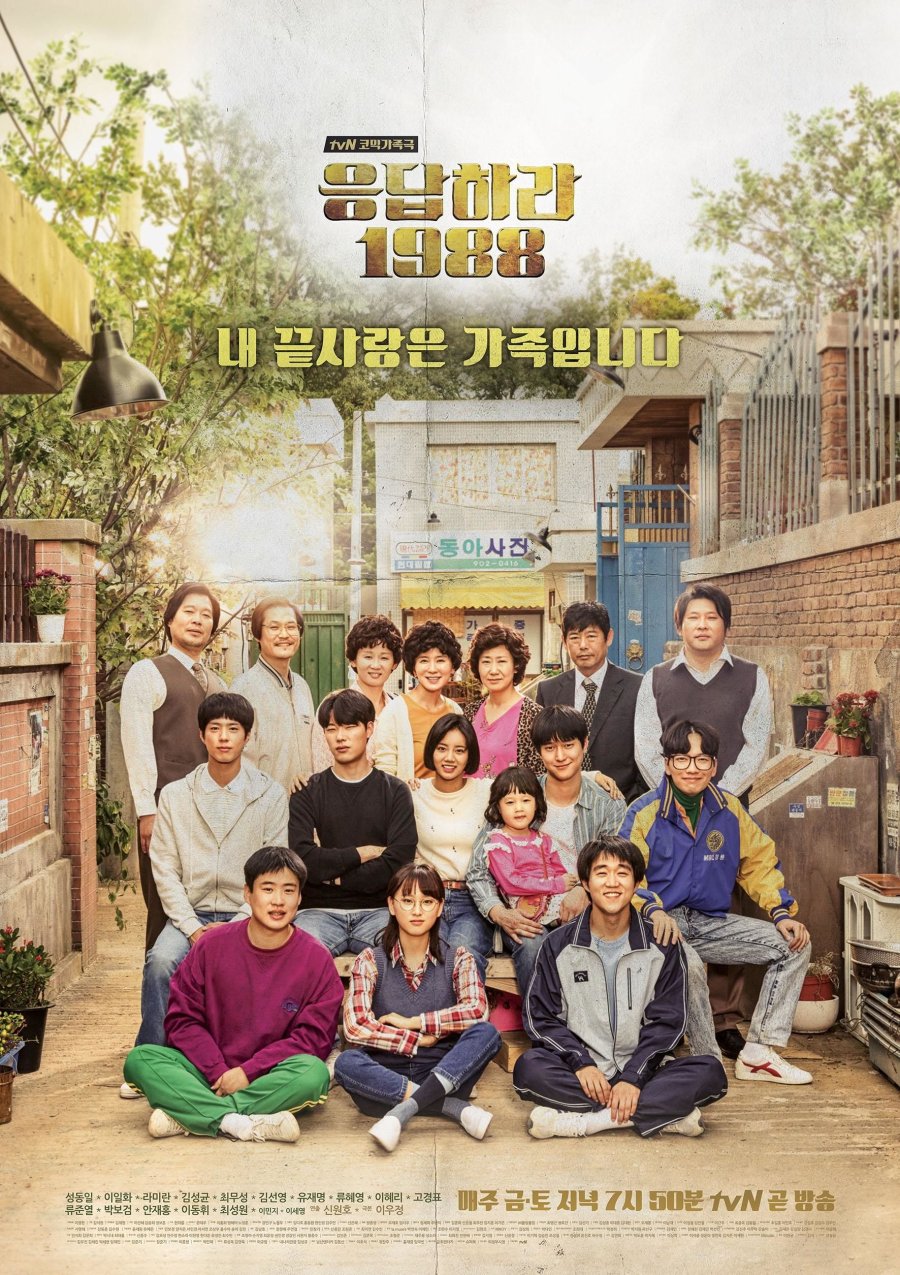
The odd one out on this list, no music school, no piano competitions, but Reply 1988 earns its place through pure emotional resonance. It follows a group of childhood friends growing up together in 1980s Seoul, capturing the specific tenderness of watching people you love slowly become adults in front of you.
If what you loved most about Four Hands, Two Sonatas was the friendship at its center, not the piano, not the rivalry, but the bond, Reply 1988 is the purest distillation of that feeling in Korean drama. It’s proof that the “growing up together” theme doesn’t need a competition to break your heart.
Final Thoughts
What ties all eleven of these dramas together isn’t just music, dance, or competition, it’s the specific ache of watching young people discover that talent alone was never going to be enough. Four Hands, Two Sonatas struck a chord because it understood that rivalry and love aren’t opposites; sometimes they’re the same feeling wearing different clothes.
Whichever one you pick next, go in expecting to feel something. These aren’t background-noise dramas, they’re the kind that stay with you long after the credits roll, the same way a good piano piece lingers in the room after the last note fades.