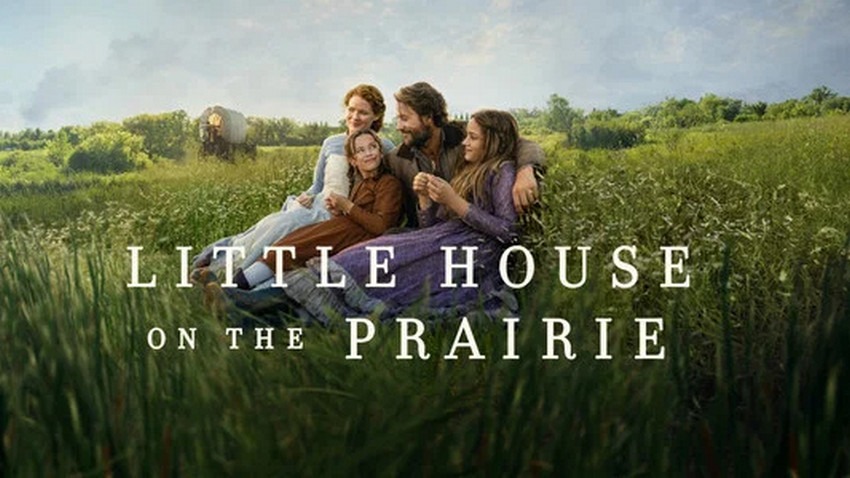
Some stories never really leave. They just wait for someone to pick them up again, dust them off, and tell them a little differently. That’s essentially what Netflix has done with Little House on the Prairie, a new adaptation of Laura Ingalls Wilder’s semi-autobiographical novels that trades the sunny, sanitized nostalgia of the 1974 NBC series for something more textured. It’s still warm. It’s still hopeful. But it’s also willing to sit with the harder parts of frontier life instead of glossing over them, and that balance is what makes this reboot worth paying attention to.
This isn’t a shot-for-shot remake of the Michael Landon classic. Instead, showrunner Rebecca Sonnenshine has gone back to the source material itself, building the first season around the third book in Wilder’s series, the one actually titled Little House on the Prairie. The result plays less like a reboot chasing old ratings and more like a fresh reading of a story that a lot of people grew up loving, filtered through a 2026 lens without losing its original heart.
Series Information
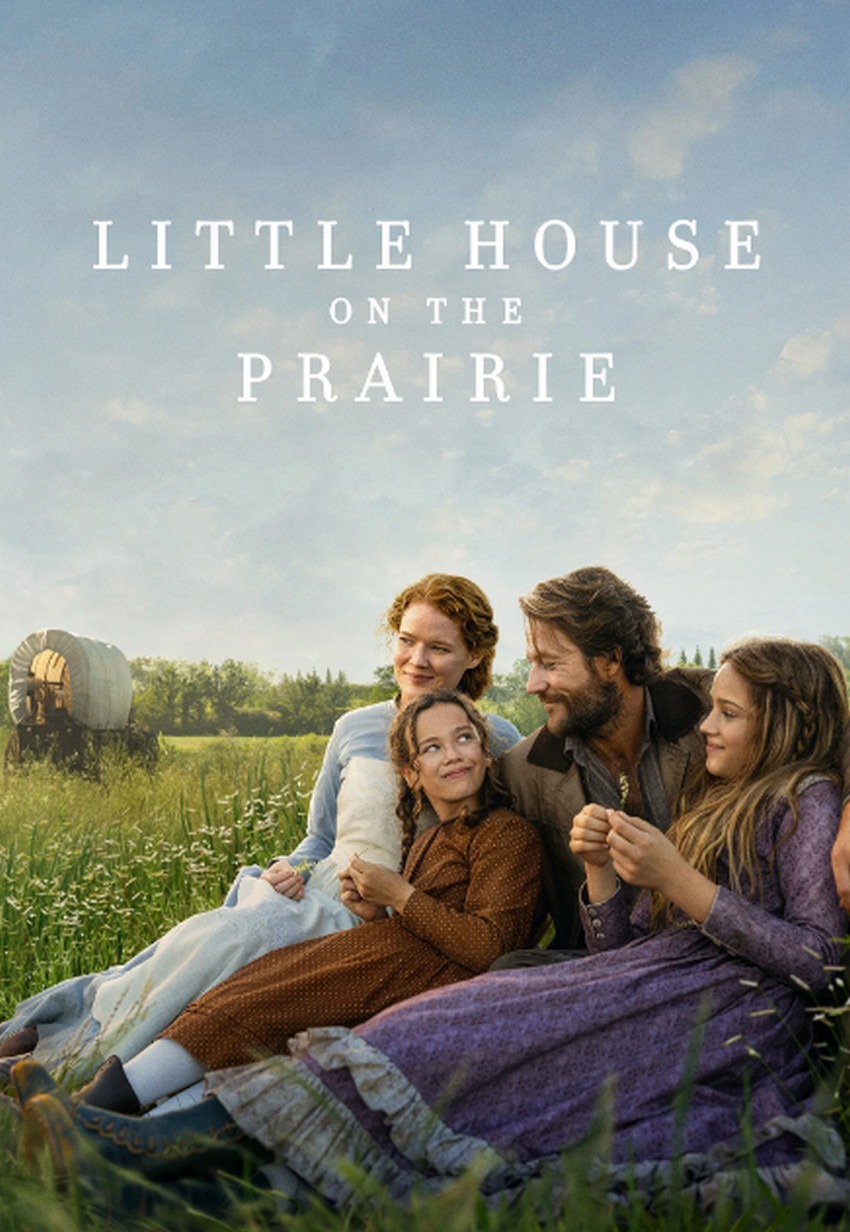
- Title: Little House on the Prairie
- Genre: Western, Family Drama, Period Drama
- Creator / Showrunner: Rebecca Sonnenshine
- Main Cast: Luke Bracey, Crosby Fitzgerald, Alice Halsey, Skywalker Hughes, Warren Christie, Jocko Sims, Meegwun Fairbrother, Alyssa Wapanatâhk, Wren Zhawenim Gotts, Barrett Doss
- Release Date: July 9, 2026
- Number of Episodes: 8 episodes in Season 1, all released at once
- Platform: Netflix
The series comes from CBS Studios and Anonymous Content, with production wrapped well ahead of release. Filming took place in and around Winnipeg, Canada, which stands in for the sweeping plains of 1870s Kansas.
What the Story Actually Follows
Little House on the Prairie Season 1 picks up in 1869 as the Ingalls family, Charles, Caroline, and daughters Mary and Laura, leave their Wisconsin farm behind in search of something better. They land in Kansas, on Montgomery County land that, at the time, still belonged to Native American communities, with settlers arriving on the assumption that the government would soon open the territory to them. It’s a premise built on uncertainty from the very first episode: a family staking a claim on a future that isn’t fully theirs to claim yet, in a place that isn’t empty just because it’s unfamiliar to them.
From there, the show becomes as much about survival as it is about family. There’s no shortage of hardship, building a home from nothing, facing the unpredictability of the land, navigating relationships with the people already living there, but the series doesn’t lean into misery for its own sake. Instead, it uses those struggles to show what holds the Ingalls family together. Small moments of comfort, humor, and stubborn hope carry just as much weight as the bigger crises, which is very much in keeping with how Sonnenshine has described her own approach to the material: as a love story about a family, first and foremost.
What Stands Out
A more honest lens on westward expansion. One of the clearest departures from the original series is how this version handles perspective. The cast includes Native American, Black, and mixed-race characters whose presence adds real weight to the story of settlers moving onto land that wasn’t unclaimed. Rather than treating that history as background scenery, the show lets it inform the tension of the season without turning preachy about it, a tricky needle to thread, and one the adaptation seems genuinely intent on threading carefully rather than performatively.
Performances that carry the emotional load. Alice Halsey’s Laura anchors the season with a curiosity and maturity that feels earned rather than written-in. Luke Bracey plays Charles as compassionate but visibly flawed, while Crosby Fitzgerald’s Caroline brings a quiet, steady strength that holds the family together even when Charles’s decisions put them at risk. The chemistry between the four core family members is doing a lot of the heavy lifting here, it’s what makes the hardship land emotionally instead of just narratively.
Production value that matches the ambition. As expected from a Netflix period piece of this scale, the show looks the part: expansive landscapes, lived-in costuming, and sets that make Walnut Grove and the surrounding prairie feel tactile rather than staged. The pacing is deliberate, sometimes to a fault, but it gives the family dynamics room to actually develop instead of rushing toward plot beats.
Who This Show Is For
If you’re looking for a fast-moving, twist-heavy drama, this probably isn’t it, the show trades momentum for atmosphere, and it knows that about itself. But if you’re drawn to grounded family dramas, historical fiction that doesn’t shy away from complexity, or you simply grew up with the original Little House and are curious how a new generation is handling it, this adaptation earns its slower rhythms. It’s built for viewers who want to sit with a story rather than race through it, and for families looking for something with genuine emotional substance that doesn’t feel manufactured for shock value.
What Comes Next
Netflix clearly believes in this one, the show was renewed for a second season before Season 1 even premiered, which is a fairly rare vote of confidence from the streamer. With eight books’ worth of Wilder’s original material still to draw from, there’s plenty of runway for Laura’s story to keep growing, and for the Ingalls family’s world to expand further. We’ll be tracking the season closely, so keep an eye on this space for episode-by-episode recaps and updates as the story continues to unfold.