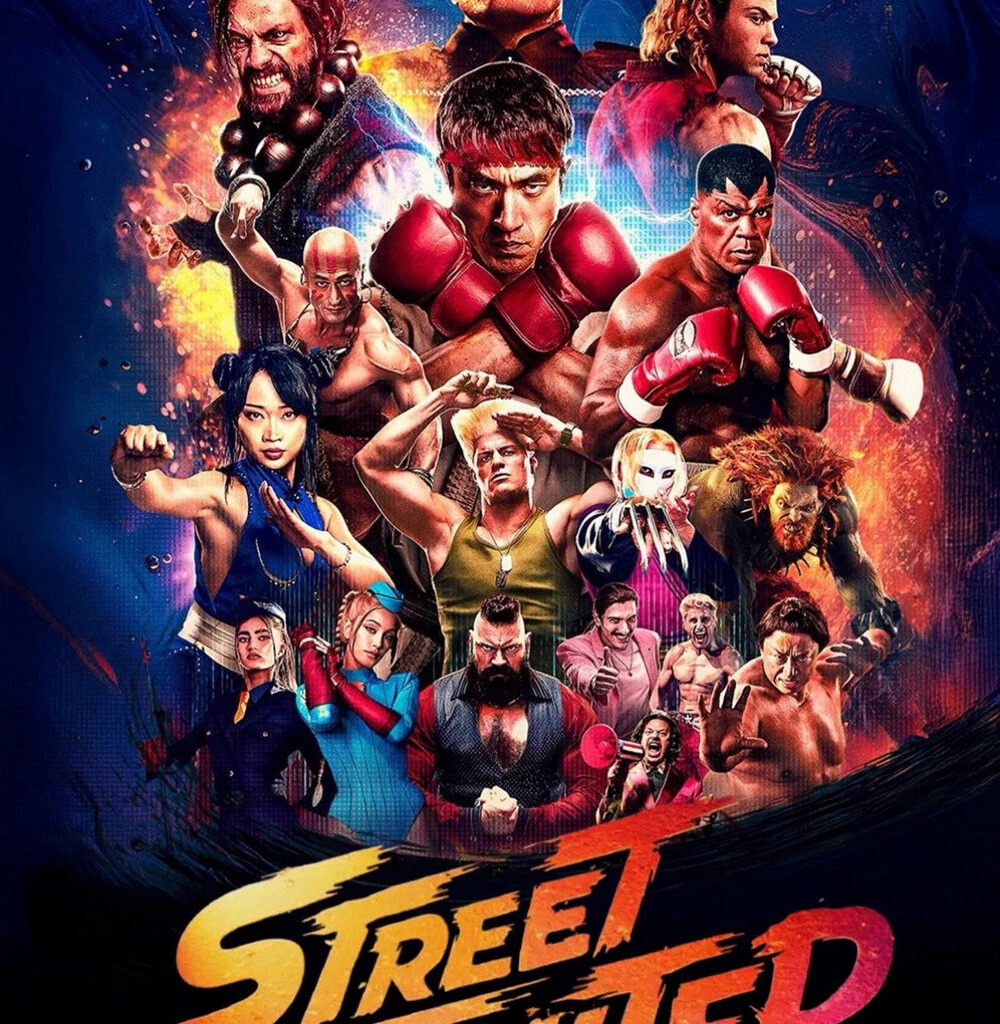
I used to spend my afternoons after junior high glued to Street Fighter, so watching Street Fighter (2026) felt like opening an old memory box. Directed by Kitao Sakurai, the film brings back the arcade spirit of the 90s, along with the fighters we all once picked one by one.
But when the credits rolled, one thought stuck with me: everything moves too fast. Here’s what works, what doesn’t, and why my personal score is 7/10.
Spoiler warning: the “Ending and Post-Credits” section reveals how the film ends. The rest is relatively safe.
Street Fighter (2026) at a Glance
- Title: Street Fighter
- Genre: Action, drama
- Director: Kitao Sakurai (Bad Trip)
- Writers: Dalan Musson, Kitao Sakurai, Gary Dauberman, T.J. Fixman (per Metacritic)
- Main cast: Andrew Koji (Ryu), Noah Centineo (Ken Masters), Callina Liang (Chun-Li), David Dastmalchian (M. Bison), Jason Momoa (Blanka), Joe “Roman Reigns” Anoa’i (Akuma), Cody Rhodes (Guile), Curtis “50 Cent” Jackson (Balrog), Orville Peck (Vega), Hirooki Goto (E. Honda), Vidyut Jammwal (Dhalsim), Olivier Richters (Zangief), Mel Jarnson (Cammy)
- Music: Leo Birenberg & Zach Robinson, plus two original songs by HEALTH
- Setting: 1993
- Production: Legendary Entertainment with Capcom; distributed by Paramount Pictures
- Runtime: about 2 hours (119 minutes per several outlets; Metacritic lists 2 hours 5 minutes)
- Rating: PG-13 (US)
- Release: October 16, 2026 (global date; check local listings)
The official synopsis: estranged friends Ryu and Ken are pulled back into combat when Chun-Li recruits them for the next World Warrior Tournament.
From Arcade to Big Screen: The Adaptation Track Record
This isn’t the first try. The 1994 film starring Jean-Claude Van Damme became a campy cult favorite that strayed far from the games, and Street Fighter: The Legend of Chun-Li (2009) was widely panned. Outlets covering the new release note that both hold very low Rotten Tomatoes critic scores, so the 2026 version carries the pressure of finally getting it right for longtime fans.
Street Fighter 6 director Takayuki Nakayama has also been reported as a consultant, and the effort to honor the source material does show.
Honest 90s Nostalgia
For me, the film’s biggest strength is its atmosphere. Songs from the era play throughout, including What’s Up? by 4 Non Blondes, Black Hole Sun by Soundgarden and Pretty Fly (for a White Guy) by The Offspring. For someone who grew up in that decade, it was an instant trip back to junior high.
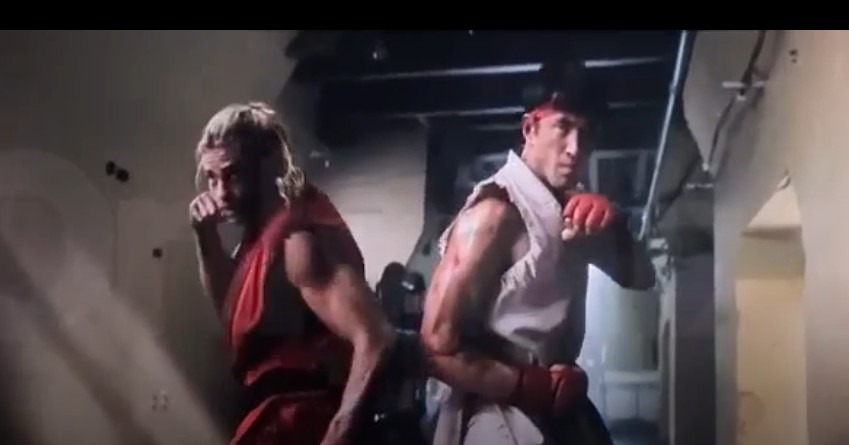
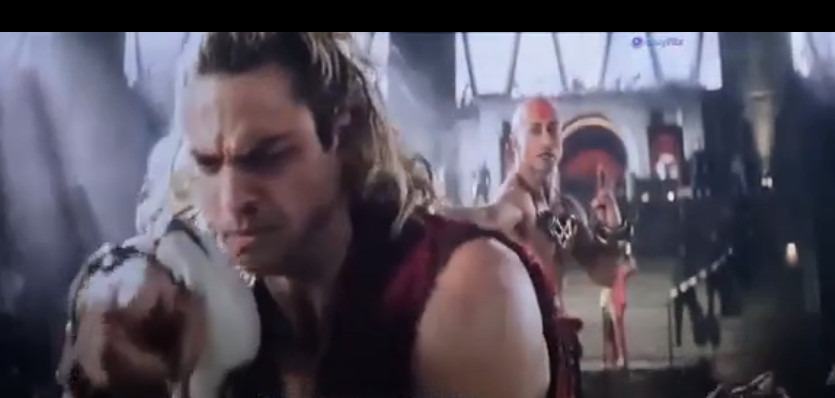
The film also gives each character more detail than its predecessor did. The fighters feel like people, not costumes lifted from a game. References to moves and game elements are everywhere, which many reviews single out as a selling point for fans.
Ryu, Ken and the Shadow of Master Gouken
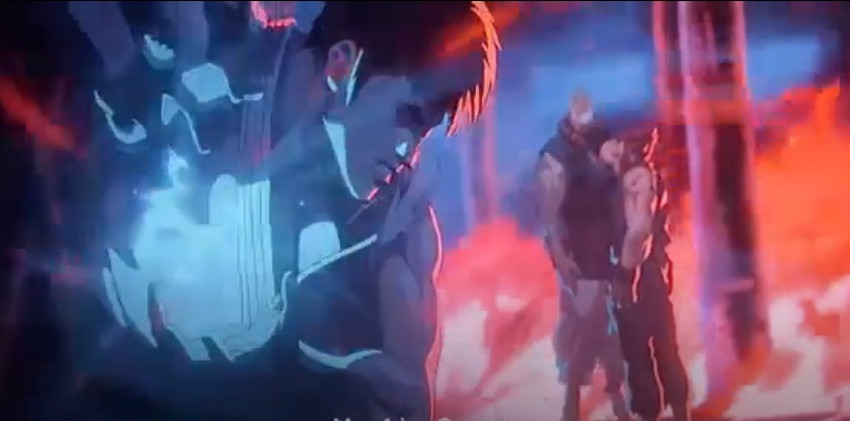
The story centers on Ryu and his guilt over the death of Master Gouken, the teacher under whom he and his best friend Ken trained. The film opens with a flashback to the 1987 tournament, after which tragedy strikes Gouken. The fallout drives Ryu and Ken apart: Ken becomes an entertainer as much as a fighter, while Ryu hides from the world.
What stood out to me is that these flashbacks are told in anime/cartoon style rather than live action. I think it’s a sensible choice: no earlier film set this story up, so the characters’ past has to be introduced through another medium. The animation also feels like a nod to the games’ and anime’s roots, and it’s an economical way to compress a long backstory into a few minutes.
As an emotional anchor, it makes sense. Ryu and Ken are the easiest characters for a general audience to follow. The cost is that everyone else passes by quickly. Critics noted the same, pointing out that Honda, Guile and Dhalsim get less room than fans hoped.
Too Fast: Clearly the Start of a Universe
I realized early that this is built as the opening chapter of a new universe, much like Marvel’s playbook. That explains the rushed pacing: many characters are introduced, yet nearly all get only a brief moment, even though every fighter has a story worth exploring.
I can accept it as foundation-laying. As a standalone film, though, it feels unfinished.
SPOILERS: Ending and Post-Credits
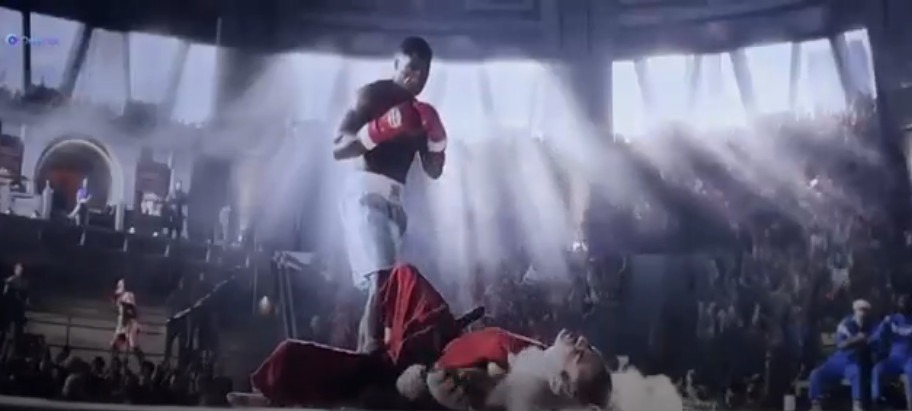
The tournament M. Bison hosts turns out to be a trap to lure Ryu out of hiding. In the finale, Bison escapes with the unconscious Akuma, apparently to extract his power. This ending that spares Bison is what confirms a sequel is being set up.
A short anime-style post-credits scene shows Bison approaching a scarred figure that multiple outlets identify as Sagat, the fighter Ryu defeated in the opening flashback. It hints that Sagat could ally with Bison next time.
What the Critics Say: Low Scores, Not Without Fans
Critically, the response is mixed and leans negative. On release day, the Rotten Tomatoes critics score sat roughly between 34% and 44% depending on how many reviews had been counted, and Metacritic was around 45. One outlet called it a deranged live-action cartoon, while another described it as the best fighting-game adaptation yet, though not a high bar. The US opening was projected at around $30 million.
My own take is warmer: for viewers who bring memories with them, it’s entertaining and feels made by people who know the games.
The Spin-offs I Hope We Get
If this universe continues, here is my wish list:
- Gouken, Ryu and Ken. Stay at the core. The bond between teacher and two students, and Gouken’s past, could add real weight to Ryu’s guilt. Since Gouken is already dead, a prequel or flashbacks fit best.
- Chun-Li. In the games she is an Interpol investigator, a natural fit for an investigative thriller with a different tone from the first film.
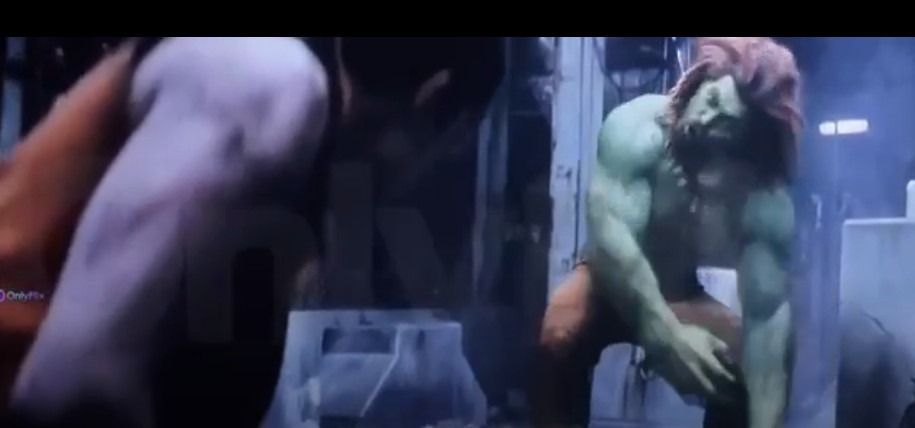
- Blanka. His origin is the most unexpected in the roster, which could make an emotional survival drama.
- E. Honda. The world of sumo holds a story of its own that’s barely been touched.
Pros and Cons
Pros
- Strong 90s nostalgia through era-appropriate songs
- Characters feel more detailed than in earlier adaptations
- Ryu’s guilt gives the story a clear emotional anchor
- Plenty of game references for longtime fans
- A promising universe opener
Cons
- Too focused on Ryu
- Rushed pacing, with many characters barely seen
- Feels like a prologue rather than a complete story
- Chun-Li’s and Blanka’s potential left untapped
- Critics found the plot and action direction inconsistent
Is Street Fighter (2026) Worth Watching?
Yes, especially if you grew up with the games. It suits longtime fans who want nostalgia and anyone curious about a new fighting-game film universe. Just set expectations: not every character gets a spotlight, and it plays more like an opening chapter.
Final Verdict
Street Fighter (2026) soothed my longing for my junior high years, and that alone is reason enough to watch. As a film, it feels like an opening act sprinting too fast. I’m waiting for a sequel that gives Chun-Li, Blanka and the rest room to breathe.
Personal score: 7 / 10 🌟
Street Fighter (2026) FAQ
When does Street Fighter (2026) come out? The global release date is October 16, 2026. Check your local cinema listings.
Who directed Street Fighter (2026)? Kitao Sakurai, the director of Bad Trip.
Who plays Ryu, Ken and Chun-Li? Andrew Koji plays Ryu, Noah Centineo plays Ken Masters and Callina Liang plays Chun-Li.
How long is Street Fighter (2026)? About 2 hours. Several outlets list 119 minutes, while Metacritic lists 2 hours 5 minutes.
Is there a post-credits scene? Yes. An anime-style scene shows Bison approaching Sagat.
Will there be a Street Fighter sequel? The ending and post-credits scene clearly set one up, but I haven’t found an official confirmation.
Is it the same as the 1994 Jean-Claude Van Damme movie? No. This is a fresh adaptation that stays closer to the games’ world, while the 1994 film was a campy action movie that changed much of the story.
What Do You Think? Join the Discussion
Have you seen it? Which character deserves a standalone film: Chun-Li, Blanka or Honda? Drop your thoughts in the comments. I’d love to hear them! 👇