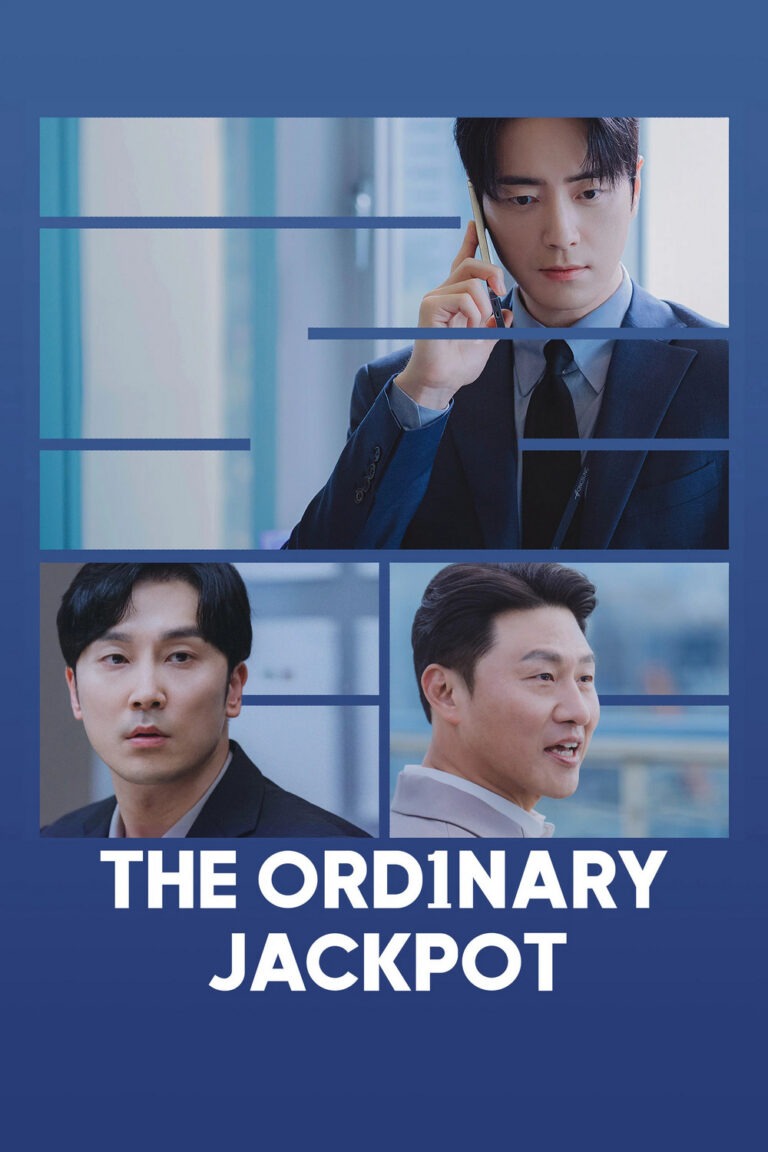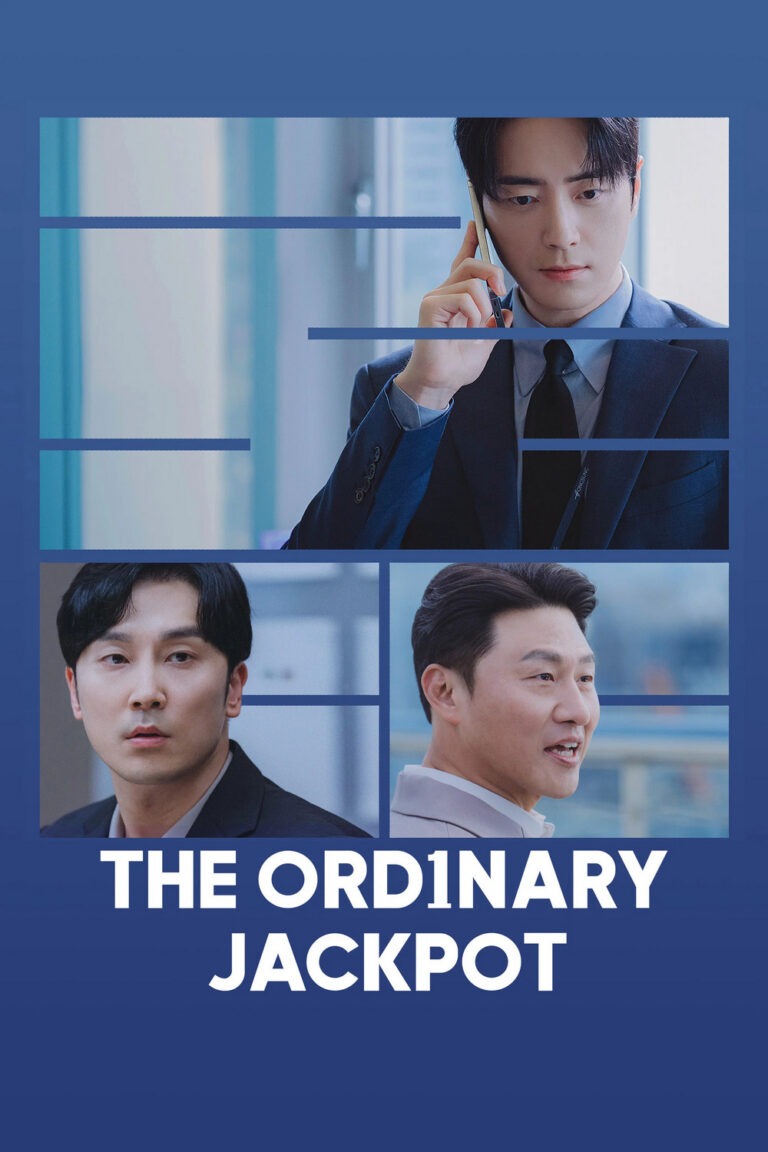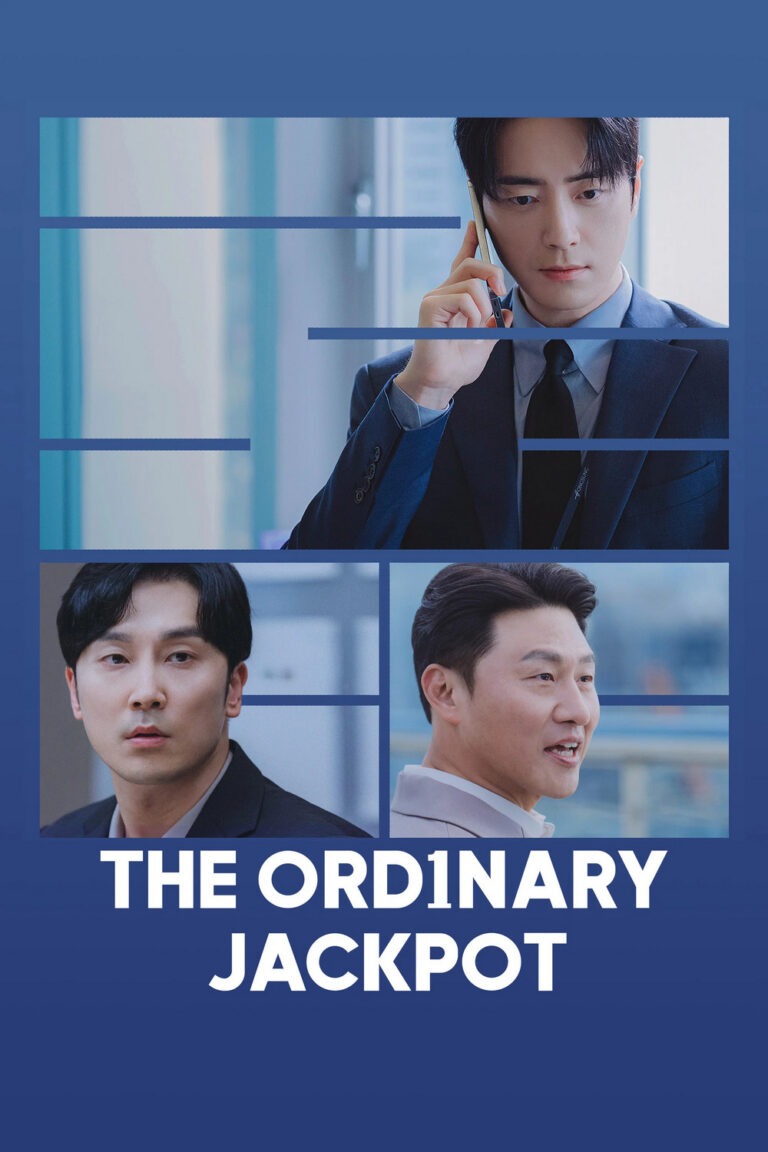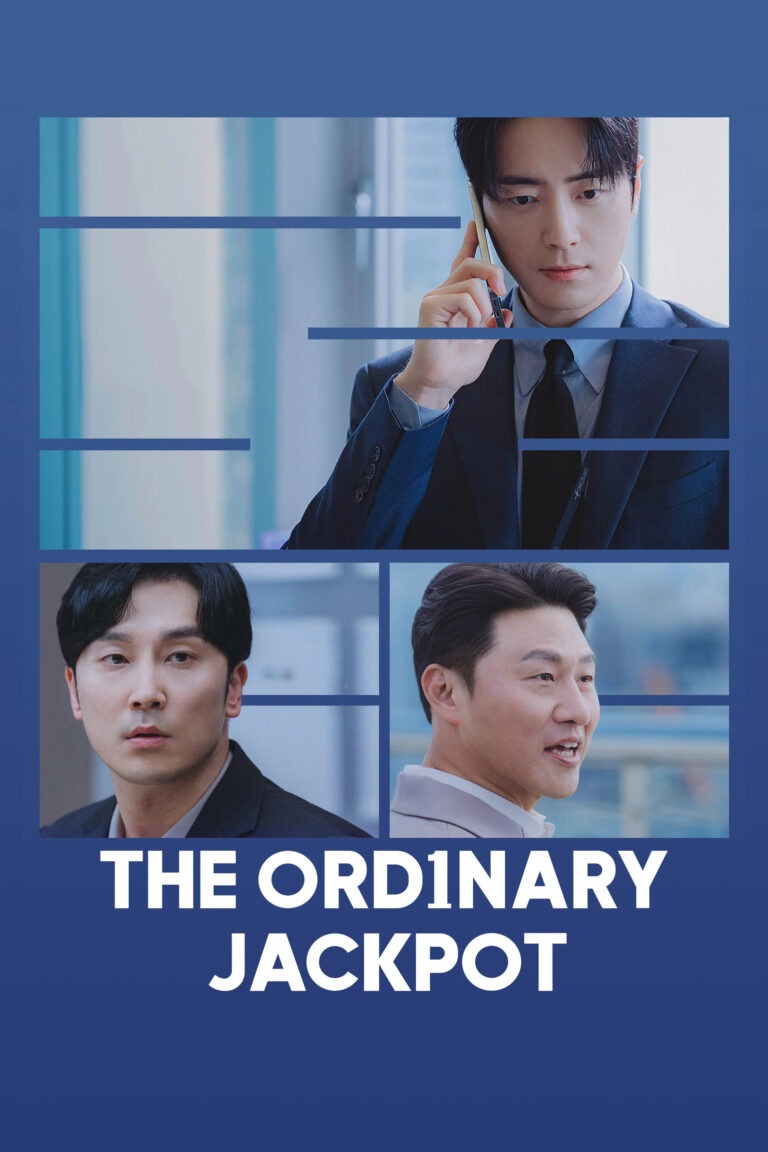
A new case arrives, and this time it feels closer to reality than ever, a teenage girl with dreams of becoming an idol, a sudden death labeled as suicide, and a truth buried behind jealousy and ambition.
I-rang’s life as a lawyer for ghosts is no longer something he resists. Instead, he begins to adapt, even when it means dancing unexpectedly in public or losing clients in the process. What once felt like a burden now starts to look like purpose.
Meanwhile, the consequences of last week’s case ripple through the firm. Na-hyun faces a harsh demotion after her loss, reinforcing the ruthless environment of Taebaek Law Firm. While Yi-rang finds quiet support from his family, Na-hyun seems increasingly isolated, both professionally and emotionally.
A Case That Begins With a Name: Kim Su-ah
I-rang’s new client is a teenage ghost who slowly regains her memories and identity: Kim Su-ah, once an idol trainee known as Loanne. At first glance, her story seems familiar, another trainee who couldn’t handle the pressure and chose to end her life.
But Su-ah insists otherwise.
She didn’t jump. She was pushed.
With only fragments of memory, including a mysterious ringtone and her missing phone, Yi-rang begins piecing together the truth. As her past unfolds, a clearer picture emerges: a hardworking girl who came from a modest background, driven by passion and discipline, yet surrounded by people who didn’t share her dedication.
Despite betrayal from her groupmates and pressure from her agency, Su-ah wasn’t at her breaking point. In fact, on the night she died, she felt hopeful. Her estranged mother had reached out, wanting to reconnect after years apart.
That hope was cut short.
Following the Clues Inside the Agency
I-rang’s investigation leads him to Su-ah’s former agency, where the atmosphere feels off from the start. Most trainees are gone, leaving only a few behind with vocal trainer and songwriter Ko Jeong-seok, someone Su-ah once admired.
A small detail changes everything.
When Jeong-seok’s phone rings, Su-ah recognizes the sound instantly. It’s the same ringtone she heard the night she died. Suspicion begins to take shape, pushing Yi-rang deeper into dangerous territory.
At the same time, Na-hyun takes on the agency as a client. While reviewing their case, she senses inconsistencies and starts her own investigation, unknowingly crossing paths with Yi-rang’s ghost-driven pursuit of truth.
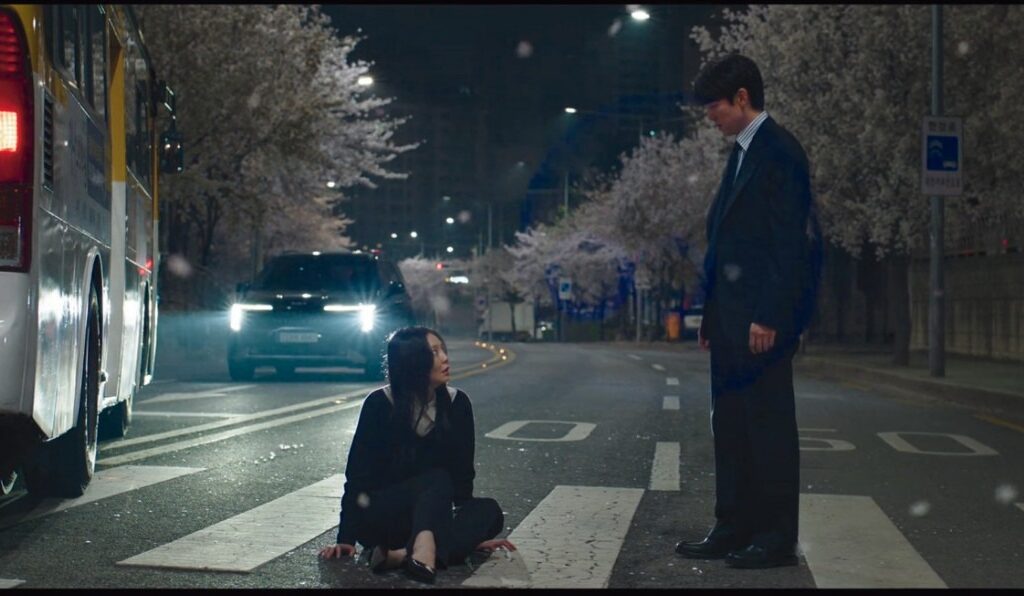
Their collision is almost literal, when Yi-rang runs into traffic while chasing a lead, Na-hyun instinctively saves him. The moment triggers memories of her sister’s death, hinting at unresolved trauma that still influences her decisions.
When the Truth Is Not What It Seems
As evidence starts to point toward Jeong-seok, the case appears straightforward. He possesses Su-ah’s songs, likely stole her work, and may have silenced her to protect himself.
But the story takes a turn.
Yi-rang, trusting his instincts, looks beyond the obvious suspect. By analyzing who truly benefits from Su-ah’s death, he arrives at a different conclusion, Emma, Su-ah’s closest friend and fellow trainee.
The reveal is both shocking and disturbingly human.
Emma confesses not out of guilt, but resentment. She was never truly Su-ah’s friend. She envied her, her talent, her growth, and even the attention she received despite her humble background. That jealousy slowly turned into hatred.
First, Emma orchestrated Su-ah’s removal from the debut lineup. Then she stole her songs. But even after everything, Su-ah remained kind, still smiling, still hopeful.
That was what pushed Emma over the edge.
In a moment of pure envy, she killed her.
Jeong-seok, who witnessed the crime, became an unwilling accomplice after being threatened into silence.
Confrontation, Closure, and One Last Wish
The final confrontation is emotional rather than explosive. Su-ah, through Yi-rang, faces Emma one last time, not with anger, but with confusion and heartbreak.
She only wanted to debut together.
Emma, unable to understand that sincerity, responds with violence once more. But this time, Na-hyun intervenes, and the truth finally surfaces. Both perpetrators are arrested, bringing justice to Su-ah’s case.
Yet the story doesn’t end there.
Su-ah’s lingering regret isn’t about her career, it’s about her mother.
Through a brief but revealing encounter, the truth behind her mother’s absence comes to light. She had been suffering from a degenerative illness that would eventually take her eyesight. Believing she couldn’t care for her daughter, she chose to leave instead.
In her final act, Su-ah chooses to help her mother see again, literally, by donating her corneas.
It’s a resolution meant to be touching, though it may feel emotionally complicated depending on how one views the idea of sacrifice and parental responsibility.
Key Moments That Define the Episodes
Several scenes stand out not just for plot progression, but for emotional weight.
Yi-rang dancing under possession adds a layer of humor that balances the darker themes, showing how far he has come in accepting his role. The ringtone discovery is subtle but crucial, turning suspicion into direction.
Na-hyun saving Yi-rang is another defining moment, not just physically but psychologically, hinting at her deeper motivations and unresolved grief.
And finally, Su-ah’s confrontation with Emma delivers the emotional core of the story, less about revenge, and more about broken trust.
Questions That Still Linger
While the case is resolved, a few threads remain open.
Na-hyun’s past continues to influence her choices, especially her connection to music and her sister’s death. Her growing awareness of Yi-rang’s abilities also raises questions about how their relationship will evolve.
There’s also the mystery surrounding Yi-rang’s powers. The hints involving the incense and his mother’s past suggest something deeper at play, something not fully explained yet.
And with a new ghost already appearing at the end, it’s clear that Yi-rang’s journey is only getting more complicated.
Final Thoughts & Rating
Despite some questionable writing choices, particularly in the subplot involving Su-ah’s mother, the central mystery is more engaging and emotionally grounded than the previous case.
Su-ah feels like a fully realized character, shaped by both her strengths and flaws. Her story reflects the harsh realities of the entertainment industry while still maintaining a personal, human core.
Yi-rang continues to grow into his role, showing more confidence and empathy with each case. Yoo Yeon-seok brings a lively and nuanced performance, effortlessly shifting between humor and sincerity.
The show still struggles at times with narrative consistency, but its characters remain its strongest asset.
Rating: 8/10