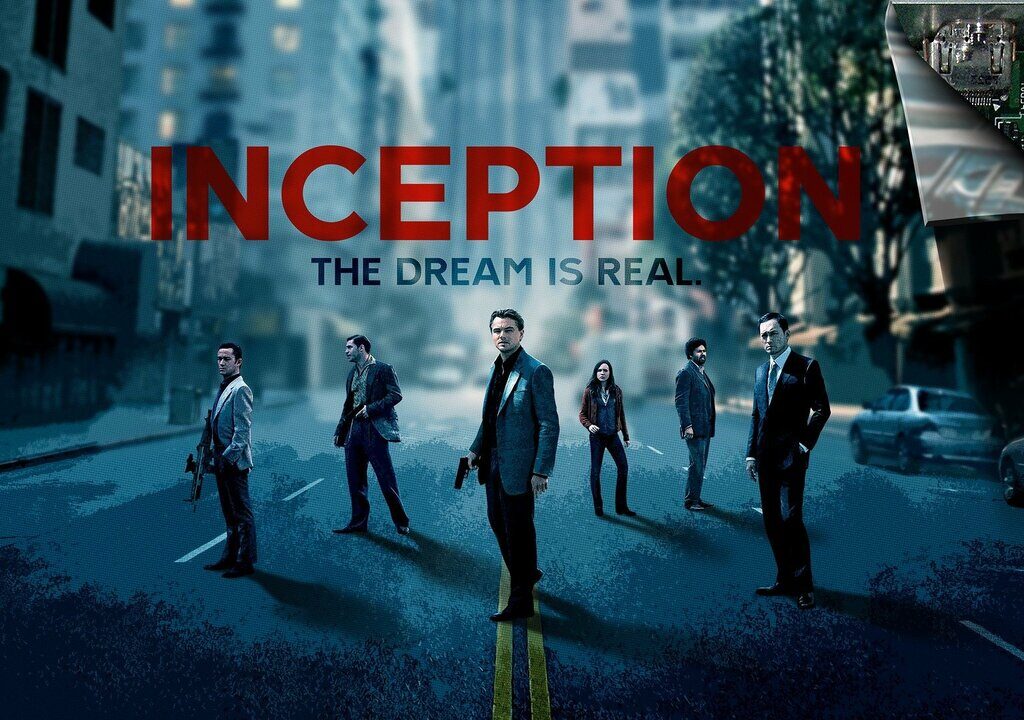
There’s a very specific kind of silence that happens when the credits roll on Inception. Nobody reaches for their phone right away. Nobody talks. For a few seconds, everyone in the room is just sitting there, running the ending back, trying to figure out whether that top ever stopped spinning.
Christopher Nolan didn’t just make a heist movie with dreams instead of vaults. He made a film that argued reality itself is negotiable, that memory and grief can be architecture, and that the scariest thing a person can lose isn’t their life but their certainty about what’s real. Sixteen years later, “Was Cobb still dreaming?” is still a legitimate icebreaker at a dinner party.
If that kind of ending scratches an itch nothing else does, you’re not alone, and you’re in luck. Below are ten films that hit the same nerve Inception did: stories that fold time back on itself, blur the line between what’s remembered and what’s real, and trust the audience to keep up without a map. Some are Nolan’s own back catalog. A few predate Inception and arguably helped build it. One is barely feature-length and cost less than a used car. All of them will leave you a little disoriented in the best way.
Here is the 10 movies like Inception.
1. Interstellar (2014)
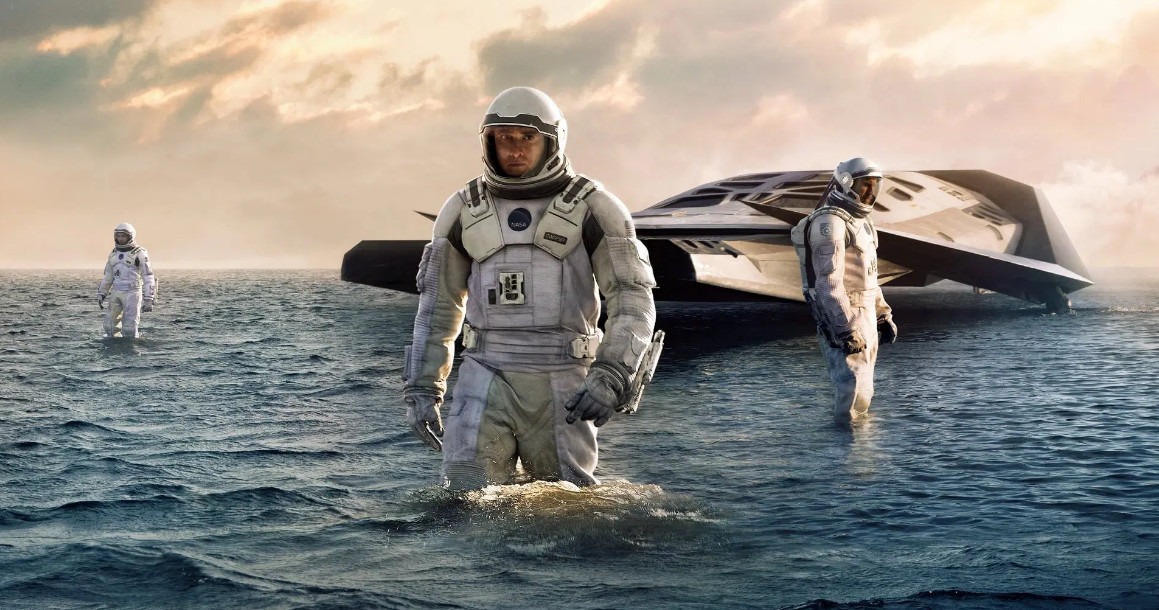
The setup: With Earth’s crops failing and dust storms swallowing entire states, a former NASA pilot named Cooper (Matthew McConaughey) leaves his kids behind to fly through a wormhole near Saturn, searching for a habitable planet before humanity runs out of time.
Why it scratches the same itch: This is Nolan’s other reality-bending epic, and it trades dream logic for the genuinely dizzying physics of relativity. When Cooper spends a few hours on a planet orbiting a black hole and comes back to find his daughter has aged twenty-three years, the film turns real general relativity into raw, physical grief. Like Inception, it’s less interested in explaining its science than in using that science to ask what people are willing to sacrifice for time, memory, and the people they love.
Where to watch: Streaming on Paramount+ in the US, with rental and purchase available on Prime Video, Apple TV, and Fandango at Home. Streaming lineups shift often, so it’s worth a quick check before you commit to a Saturday night with it.
2. Coherence (2013)
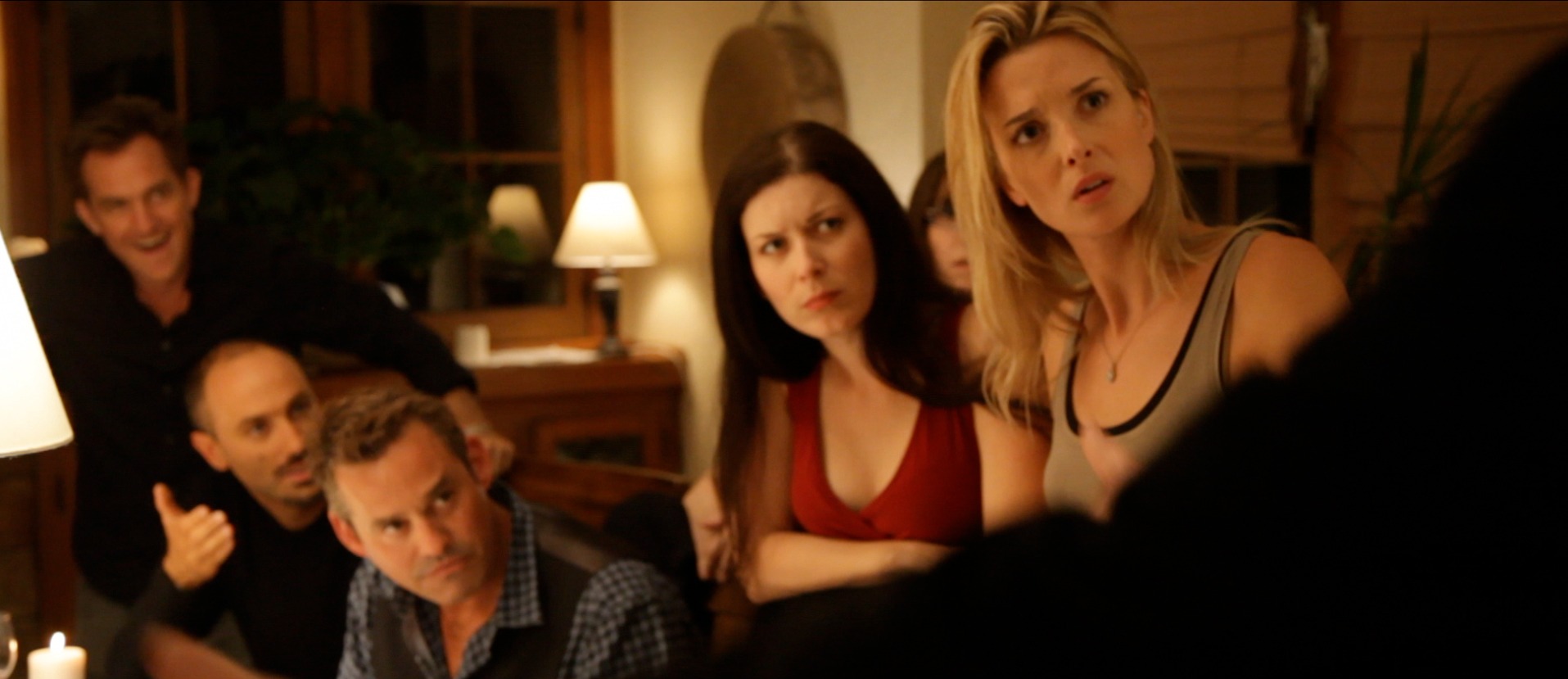
The setup: Eight friends sit down for a dinner party on the night a comet passes unusually close to Earth. The power flickers, phones stop working, and one by one, they realize there’s another house down the street identical to theirs, with another version of the party happening inside it.
Why it scratches the same itch: Director James Ward Byrkit shot this on a reported budget of around $50,000, largely improvised, in a single house over five nights. And yet it does something Inception fans will recognize immediately: it takes a genuinely dense idea, in this case the Schrödinger’s cat thought experiment, and turns it into a slow-burn nightmare about identity. By the third act you’re no longer sure which version of which character you’re watching, and neither are they.
Where to watch: Streaming on Netflix and Prime Video in the US, with a free ad-supported option on Tubi.
3. Shutter Island (2010)

The setup: In 1954, U.S. Marshal Teddy Daniels (Leonardo DiCaprio) travels to a psychiatric hospital on a remote island to investigate a patient’s disappearance. The deeper he digs, the less anything on the island adds up.
Why it scratches the same itch: Martin Scorsese isn’t a director people usually associate with Nolan-style puzzle boxes, but Shutter Island earns its place here because of what it does to memory and denial. Teddy’s grip on reality erodes scene by scene, and the film plants its final gut-punch twist so carefully that a second viewing plays like an entirely different movie. If Inception made you question what’s real, this one makes you question what a person is capable of convincing themselves is real.
Where to watch: Available to rent or buy on Prime Video, Apple TV, and Fandango at Home, and streaming as part of MGM+ for subscribers.
4. Memento (2000)
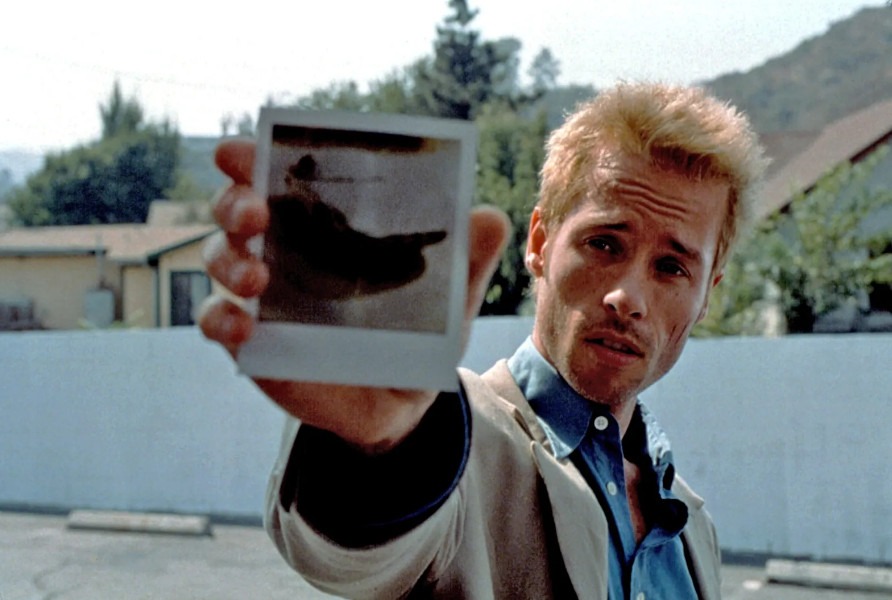
The setup: Leonard Shelby (Guy Pearce) can no longer form new memories after a head injury sustained the night his wife was murdered. To hunt down her killer, he’s built a system of Polaroids, notes, and tattoos, and the film tells his story in two interwoven timelines: one moving forward, one moving backward.
Why it scratches the same itch: This is the film that put Nolan on the map before he ever got near a dream machine, and it’s the clearest ancestor of Inception‘s layered structure. Watching Memento means experiencing Leonard’s confusion firsthand. Since scenes unfold in reverse order, you know less than the characters at almost every point, which is a rare and uncomfortable thing for a thriller to pull off well.
Where to watch: Streaming on Netflix, Prime Video, Hulu, and Peacock in the US, with rental options on Apple TV and Fandango at Home.
5. The Prestige (2006)
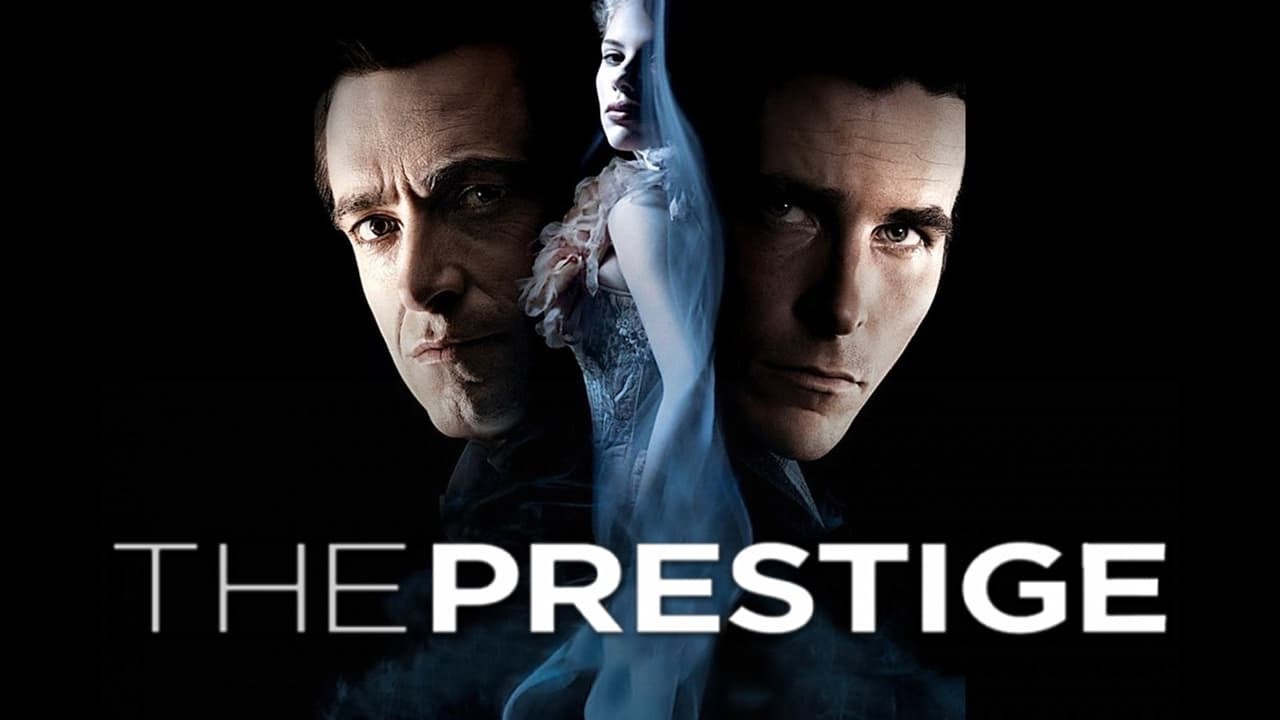
The setup: Two rival magicians in Victorian London, Robert Angier (Hugh Jackman) and Alfred Borden (Christian Bale), destroy each other’s lives in pursuit of the one trick that will make the other look like an amateur.
Why it scratches the same itch: Nolan again, and once again a film obsessed with obsession itself. The Prestige structures its reveals the way a magic act does: it shows you everything, tells you it’s showing you everything, and still manages to make the final twist land like a punch. If you loved how Inception waited until the very last frame to leave you with a question instead of an answer, this is Nolan doing the same trick with a top hat and a stage instead of a spinning totem.
Where to watch: Streaming on Hulu, Disney+, and Peacock in the US, with rental available on Prime Video and Apple TV.
6. Predestination (2014)
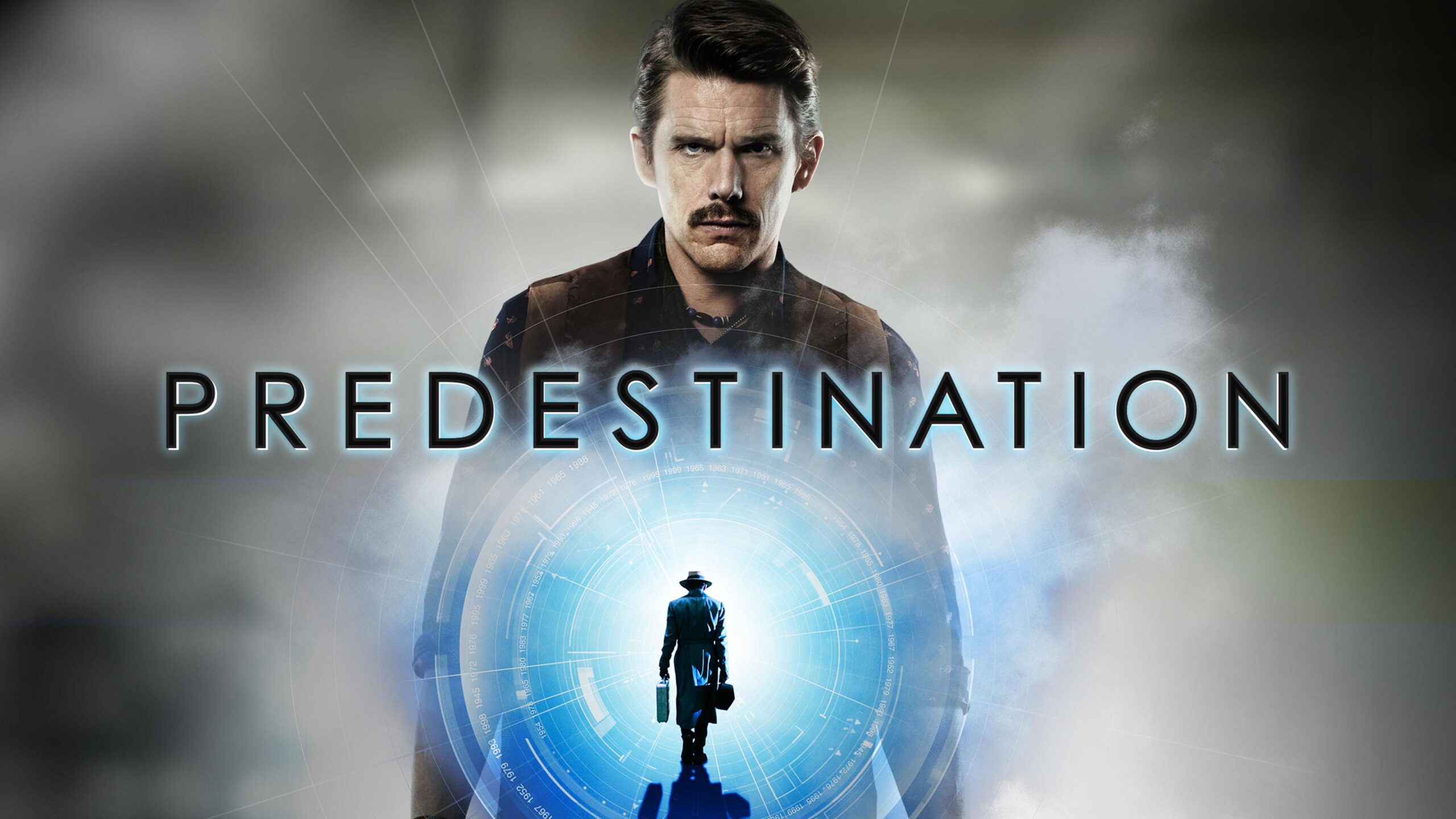
The setup: A temporal agent (Ethan Hawke) is sent on one final assignment: track down a bomber responsible for a mass-casualty attack that hasn’t happened yet, in a career built entirely around preventing crimes before they occur.
Why it scratches the same itch: Adapted from Robert A. Heinlein’s short story “All You Zombies,” this is one of the tightest time-loop paradox films ever made, and it earned an 84% critics’ score on Rotten Tomatoes for pulling it off. Sarah Snook’s performance opposite Hawke is the reason critics still bring this one up more than a decade later. What makes it a genuine cousin to Inception is how patiently it withholds its central twist, and how much it changes about everything you’ve already seen once it finally arrives.
Where to watch: Streaming free with ads on The Roku Channel and Tubi in the US, with rental available on Amazon Video and Apple TV.
7. Paprika (2006)
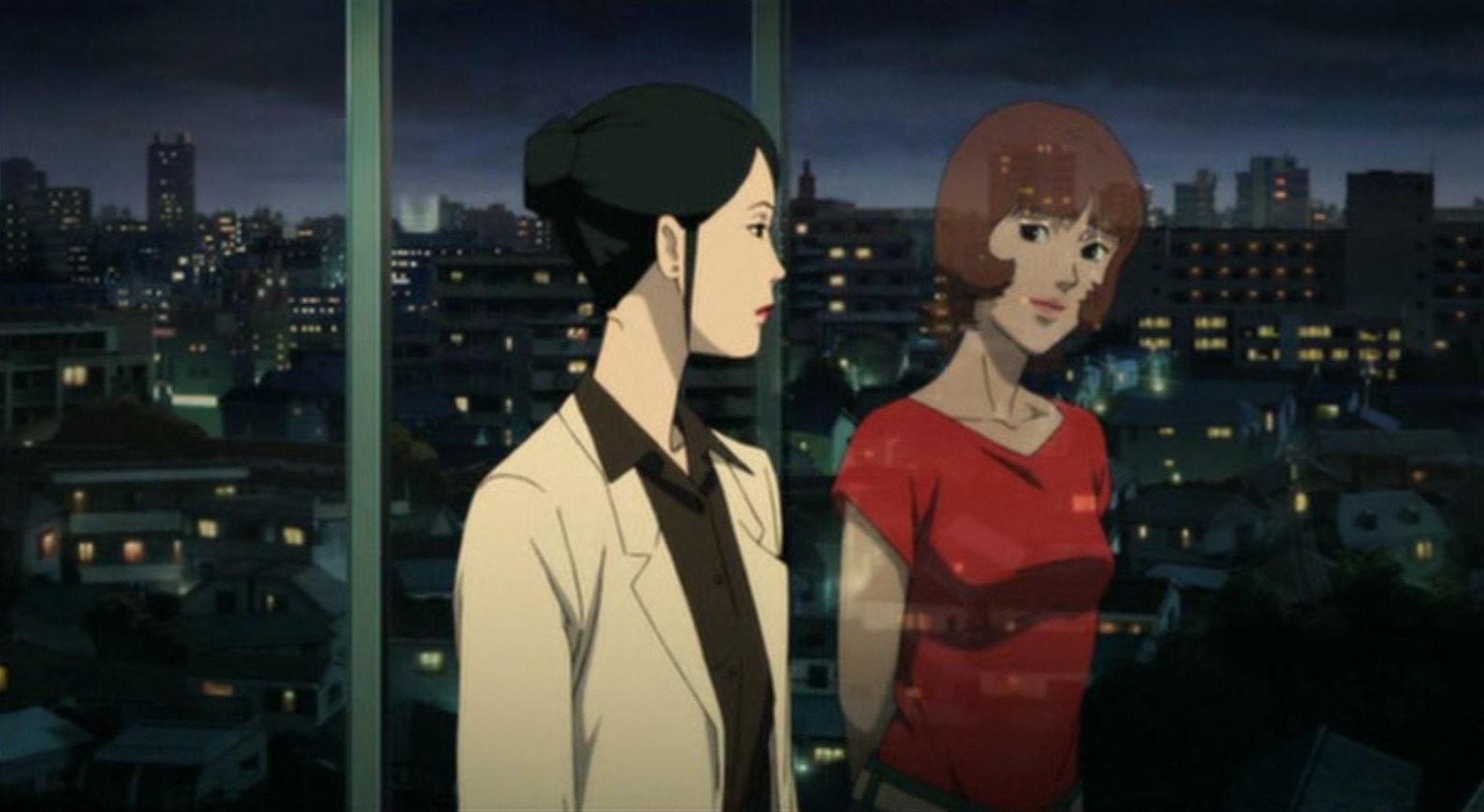
The setup: A therapist named Dr. Chiba uses an experimental device called the DC Mini to enter her patients’ dreams under the alter ego “Paprika.” When the device is stolen, the boundary between dreaming and waking life starts to collapse across the entire city.
Why it scratches the same itch: This one isn’t a guess dressed up as trivia: Christopher Nolan has openly cited Satoshi Kon’s work, and the visual DNA of Inception‘s folding cities and dream-invasion concept is hard to miss once you’ve seen Paprika. Kon, who also directed Perfect Blue and Paranoia Agent, had a gift for making dream logic feel genuinely dangerous rather than merely trippy, and this film is the clearest bridge between Japanese animation and the psychological blockbusters that came after it.
Where to watch: Streaming on Netflix and Prime Video in the US.
8. Dark City (1998)
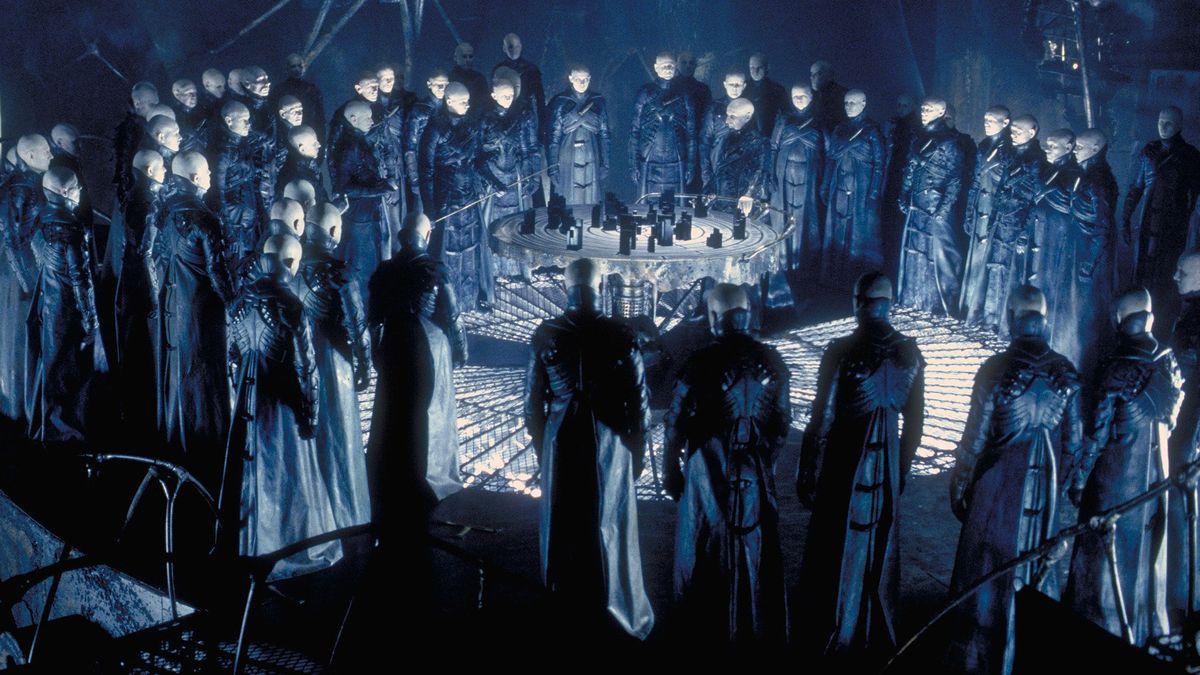
The setup: John Murdoch (Rufus Sewell) wakes up in a hotel bathtub with no memory and blood on his forehead, wanted for a string of murders he can’t recall committing. The city around him never sees daylight, and at the stroke of midnight, every person in it falls asleep at once, except him.
Why it scratches the same itch: Alex Proyas made this two years before The Matrix covered similar ground and got most of the credit, and it holds up as a genuinely strange, German Expressionist-inflected piece of science fiction noir. Kiefer Sutherland and William Hurt anchor a story about a city literally being rebuilt and rewritten by unseen forces every night, which makes Dark City one of the earliest films to treat reality itself as something that can be edited like a set.
Where to watch: Streaming on Netflix in the US, with rental available on Prime Video and Apple TV.
9. Mr. Nobody (2009)
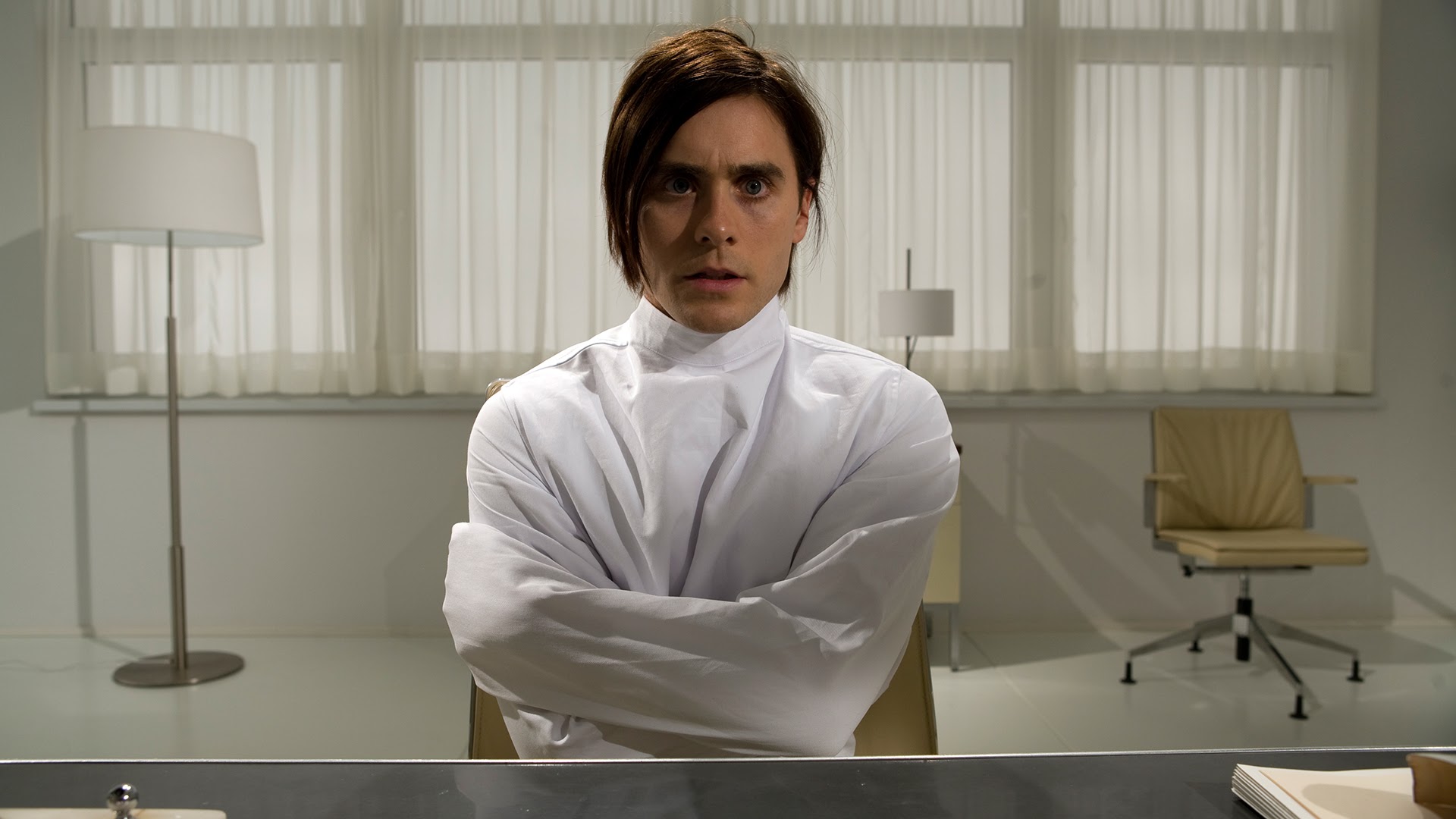
The setup: In the year 2092, 118-year-old Nemo Nobody is the last mortal human left on Earth. On what should be his deathbed, he tells a reporter the story of his life, or rather, the several different versions of his life that branched out from a single choice he made as a boy on a train platform.
Why it scratches the same itch: Written and directed by Belgian filmmaker Jaco Van Dormael, this film premiered at the 2009 Venice Film Festival and took years to reach American theaters. It’s built entirely around parallel timelines stemming from one small decision, an idea that owes a real debt to quantum theory’s many-worlds interpretation. Jared Leto plays Nemo at every age, and the film never tells you which version of his life, if any, actually happened. That refusal to pick a “real” timeline is exactly the kind of ambiguity that made people argue about Cobb’s spinning top for a decade.
Where to watch: Streaming on Netflix and Hulu in the US.
10. Enemy (2013)
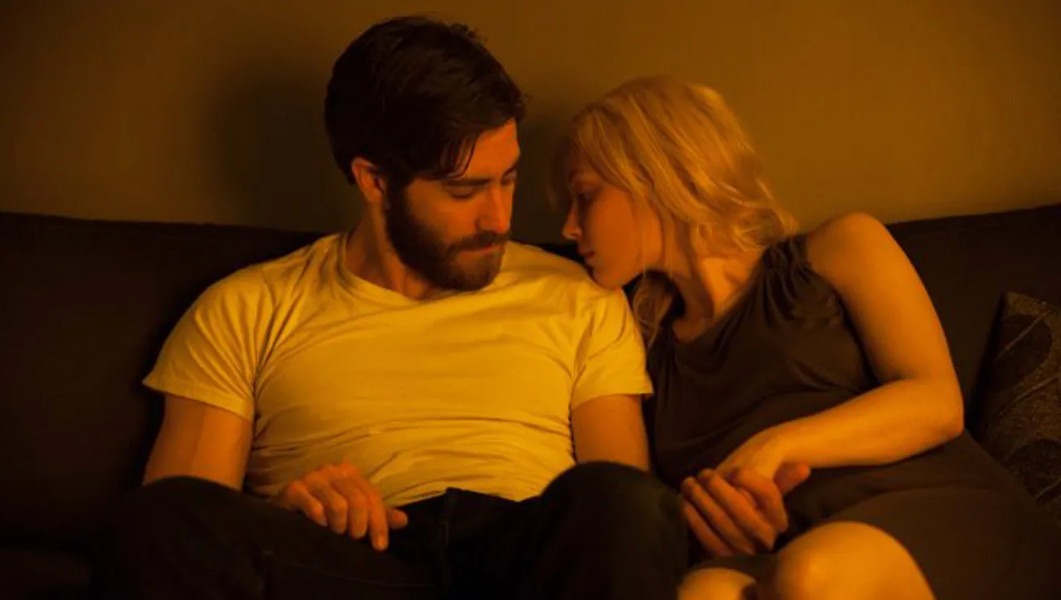
The setup: Adam Bell (Jake Gyllenhaal), a quiet, unremarkable history professor, spots a bit-part actor in a rented movie who looks exactly like him. He tracks the man down, and their lives begin to collapse into each other in ways neither can control.
Why it scratches the same itch: Denis Villeneuve, years before Arrival and Dune, adapted José Saramago’s novel The Double into a slow-burn psychological spiral that holds an 83% critics’ score on Rotten Tomatoes. Enemy trusts its audience completely, right down to a final shot that still generates arguments online more than a decade later. If you’re the type of viewer who rewatched Inception‘s last thirty seconds in slow motion looking for a wobble in that top, this ending was built for you specifically.
Where to watch: Streaming on Netflix in the US, with rental available on Prime Video and Apple TV.
Why We Can’t Stop Chasing This Feeling
There’s a reason this particular flavor of confusion feels good instead of frustrating. Psychologically, working through a puzzle activates the brain’s reward circuitry in a way that passive viewing doesn’t. A film that hands you every answer is comfortable. A film that makes you build the answer yourself, the way Inception does with its ending, gives you something closer to a sense of ownership over the story.
That’s also why these films tend to age so well. A twist you saw coming stops mattering after one viewing. A twist built on layered ambiguity, the kind Memento or Enemy or Mr. Nobody trade in, keeps paying out on a second and third watch, because you’re not rewatching to catch the trick this time. You’re rewatching to catch yourself.
So pour something, dim the lights, and pick one. Whichever you land on, from Nolan’s own back catalog to the strange, underseen corners like Coherence and Predestination, you’re in for the same particular kind of good disorientation Inception left you with. Just don’t expect the ending to hand you anything for free.
Which one messed with your head the most? Drop it in the comments, we’ll be here trying to figure out our own timeline.