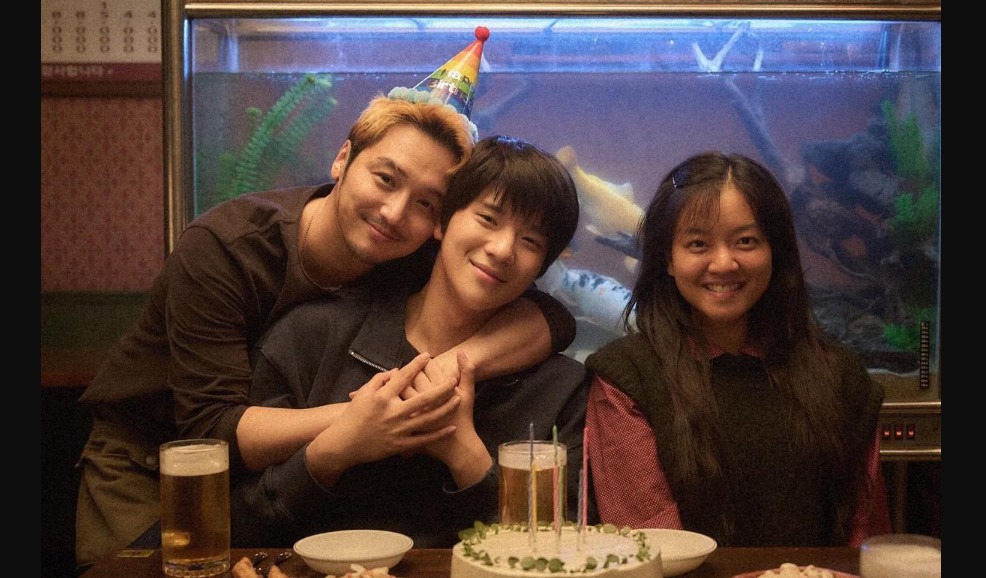
South Korean cinema has built a global reputation for telling intimate, emotionally grounded stories. Whether through sharp social satire like Parasite or devastating melodrama, Korean filmmakers rarely shy away from exploring vulnerability. When I first pressed play on Pavane (2026) on Netflix, I expected another quietly powerful romance-something reflective, something that lingers.
What I found instead was a film that clearly wants to hit hard emotionally, but doesn’t always trust itself enough to fully do so.
Pavane is delicate, slow, and aesthetically composed. It’s filled with longing glances, hushed conversations, and characters who carry unresolved pain. And yet, despite all its careful construction, there’s a strange emotional distance that makes it slightly frustrating. Not because it lacks heart, but because its heart sometimes feels filtered.
Still, there’s plenty to unpack.
What Is Pavane About?
At its core, Pavane tells the story of three lonely individuals navigating love, trauma, and self-worth in a world obsessed with appearances.
Lee Gyeong-rok (Moon Sang-min) is 27 years old and drifting. He works part-time at a department store parking lot while quietly nursing his dream of becoming a dancer. He doesn’t crave fame or wealth, he just wants to feel “okay.” His father, Dong-cheol, abandoned him and his mother years ago for a glamorous life elsewhere, leaving behind emotional scars that Gyeong-rok never fully addresses.
In the basement of that same department store works Mi-jeong (Go Ah-sung), a woman ostracized by her coworkers for not fitting traditional beauty standards. She is soft-spoken, withdrawn, and carries years of bullying and insecurity. The store’s bright upper floors, filled with polished, conventionally attractive employees, stand in stark contrast to the dim, shadowy basement where she spends her days.
Then there’s Yo-han (Byun Yo-han), charismatic, flamboyant, and seemingly confident. He befriends Gyeong-rok and becomes the bridge between him and Mi-jeong. But beneath his bubbly exterior lies deep loneliness and unresolved trauma.
On paper, this setup could easily fall into predictable love triangle territory. Thankfully, Pavane avoids that cliché. Instead, it focuses on emotional interdependence, how three wounded people connect through music, shared longing, and quiet understanding.
Beauty Standards and the Film’s Missed Opportunity
If you look into the source material, you’ll discover that Pavane is adapted from a novel titled Pavane for a Dead Princess. The book reportedly tackles Korea’s beauty standards more directly and critically.
The film, however, approaches this theme in a softer, more muted way.
South Korea’s beauty culture is intense and well-documented, cosmetic surgery normalization, rigid facial ideals, and immense social pressure to conform. Mi-jeong represents someone excluded from that system. She is labeled “ugly” by her peers, relegated to the basement, and treated as invisible.
The problem is that while the film gestures toward critiquing these standards, it rarely digs deep enough. We see Mi-jeong’s isolation. We understand she has been bullied. But the emotional gravity of her experience doesn’t always fully land.
At times, I found myself asking: why does she withdraw this deeply? Why does she feel so unworthy? The answers are implied rather than fully explored. The film seems hesitant to confront the cruelty of beauty hierarchies head-on, opting instead for a more poetic, subdued approach.
It’s not ineffective, but it does feel watered down.
The Unreliable Narrator: Yo-han’s Perspective
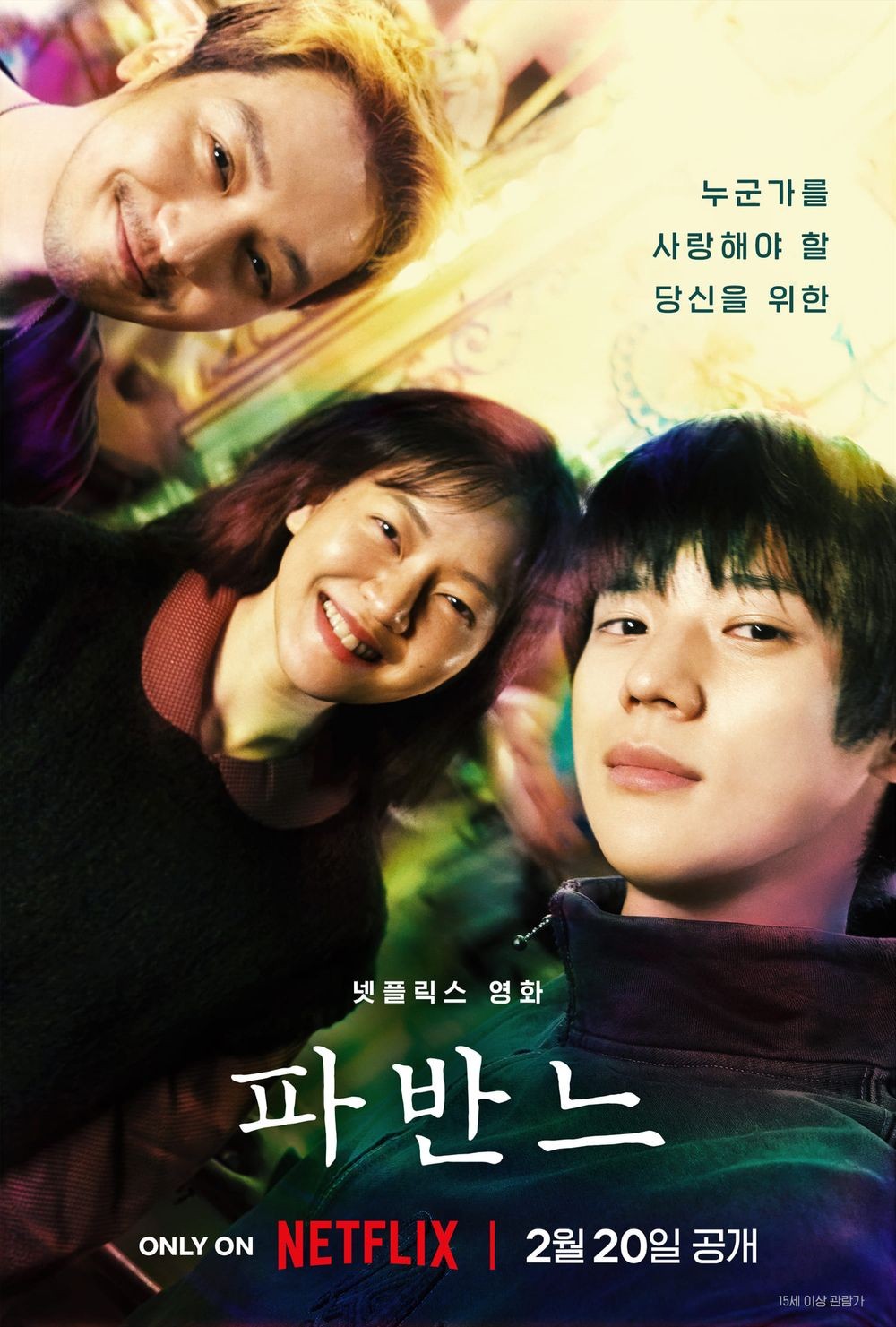
One of the most interesting creative decisions in Pavane is its narrative lens.
Rather than centering the story entirely through Gyeong-rok, the film leans into Yo-han’s perspective. He often narrates events in a way that makes you question what’s real and what’s embellished. At times, he openly admits that things may not have happened exactly as he describes them.
This unreliable narration adds a layer of surrealism to the film. It creates emotional ambiguity, especially in the final act. But it also distances us from the core romance.
Yo-han is fascinating. He’s observant but skeptical. He struggles to believe that someone as conventionally handsome as Gyeong-rok would genuinely fall for someone like Mi-jeong. That skepticism mirrors societal prejudice, and perhaps even the audience’s subconscious expectations.
Byun Yo-han delivers one of the film’s strongest performances. He brings warmth, humor, and later, devastating vulnerability. In many ways, he is the emotional engine of the story.
Yet because the film filters so much through him, Mi-jeong and Gyeong-rok sometimes feel slightly muted, like figures in someone else’s memory rather than fully autonomous protagonists.
The Department Store as Social Metaphor
Korean cinema excels at using physical space symbolically, and Pavane is no exception.
The department store becomes a quiet metaphor for social hierarchy. The brightly lit upper floors house the “desirable” employees, the popular girls, the polished faces. The basement, dim and enclosed, holds Mi-jeong.
Elevator doors open and close repeatedly throughout the film. Characters move between floors, between emotional states, between visibility and invisibility. The physical separation mirrors emotional distance.
This subtle storytelling choice is one of the film’s most effective elements. The basement scenes are deliberately underlit, echoing Mi-jeong’s internal “dark cave.” When she slowly begins to open up to Gyeong-rok, the lighting softens.
It’s restrained, but it works.
Gyeong-rok’s Dream and His Father’s Shadow
Gyeong-rok’s quiet ambition to become a dancer adds tenderness to his character. In empty warehouses and at home, he practices choreography alone. He doesn’t want stardom, just purpose.
Mi-jeong shares a piece of indigenous wisdom with him: sometimes you must get off the horse to let your soul catch up. It’s a beautiful metaphor about slowing down after running too fast for too long.
But hovering over Gyeong-rok’s story is his father’s abandonment. His “daddy issues” form one of the film’s most prominent emotional threads. He resents his father’s new family and feels discarded.
While this conflict adds depth, it also feels familiar. We’ve seen variations of paternal abandonment in countless recent dramas. It’s emotionally valid, but not groundbreaking.
Do Gyeong-rok and Mi-jeong Start Dating?
Yes. and their relationship develops through small, tender moments.
They bond over music and dance. There’s a softness to their interactions, an awkward sweetness that Korean romances do so well. Their chemistry feels natural, even with the eight-year age gap between Moon Sang-min and Go Ah-sung.
But complications arise, mainly through Yo-han’s spiraling mental health. Behind his bright exterior, he battles depression and self-destructive behavior. Rumors circulate about suicide attempts. When Gyeong-rok and Mi-jeong find him hospitalized, it shakes their fragile happiness.
Mi-jeong, already prone to self-doubt, internalizes this crisis. She begins to fear that loving too deeply will lead to devastation.
Why Does Mi-jeong Leave?
In one of the film’s most pivotal emotional beats, Mi-jeong chooses to walk away.
After witnessing Yo-han’s breakdown and sensing instability in the fragile world she’s just begun to trust, she panics. She writes Gyeong-rok a letter, confessing that she loves him, but that loving him terrifies her.
She describes herself as someone who has lived in darkness for so long that even light feels dangerous. She wants to preserve their love as something beautiful, not watch it decay into misery.
It’s heartbreaking, but also slightly frustrating. Her reasoning, while poetic, feels somewhat underdeveloped in the moment. The breakup seems designed to fulfill a narrative beat rather than emerge organically.
The Reunion and the Tragic Twist
Eventually, Gyeong-rok reaches out. He promises to meet Mi-jeong at the train station starting Christmas Eve. There’s anticipation. Hope.
But fate intervenes. On his way, he is delayed by a highway accident. He runs to meet her, and they reunite.
For a brief moment, the film suggests healing. Yo-han improves. The future looks possible.
Then comes the final act twist.
Five years later, Yo-han is a bestselling author and musician. Mi-jeong works as a nursery school teacher, brighter and more grounded.
Gyeong-rok, however, never fully recovered. After the accident, he suffered severe injuries and partial memory loss. In reality, he eventually passed away.
The “happy ending” of him and Mi-jeong traveling to Iceland together exists only in Yo-han’s written version of events.
It’s not literal truth, but emotional truth.
What Does the Ending Mean?
The title Pavane references Pavane for a Dead Princess, a slow, mournful musical composition centered on remembrance rather than celebration.
Music binds the trio from the beginning. It’s how they connect, and how they process grief.
Gyeong-rok’s death becomes the crescendo of this melancholic melody. His absence propels Mi-jeong and Yo-han forward. They choose light, not because life becomes easier, but because living well becomes a way to honor him.
The fictional happy ending Yo-han writes isn’t deception, it’s coping. It’s healing through narrative.
And perhaps, in some quiet way, it’s what the audience needs too.
Performances: The Film’s Strongest Asset
If there’s one reason to watch Pavane, it’s the cast.
Go Ah-sung delivers a tender, restrained performance. Portraying someone repeatedly labeled “plain” or “ugly” requires nuance. She brings vulnerability without caricature.
Moon Sang-min radiates sincerity. There’s a gentle yearning in his performance that feels authentic.
But Byun Yo-han steals the film. His shift from charismatic bridge-builder to emotionally fractured soul gives the story weight.
Without these performances, Pavane might have drifted entirely into aesthetic emptiness.
Final Thoughts: Is Pavane Worth Watching?
Pavane is slow, atmospheric, and emotionally introspective. It won’t satisfy viewers looking for dramatic twists or grand romantic gestures.
At times, it feels slightly over-stylized, so focused on being aesthetically poetic that it drains some raw emotional color from its own story. There are narrative beats that feel inserted to check romance boxes, including an obligatory breakup that doesn’t entirely convince.
And yet.
There’s something undeniably sincere here. Something fragile.
It’s a story about unresolved trauma, awkward tenderness, and the quiet ways love reshapes how we see ourselves. It doesn’t always hit as hard as it wants to, but when it does, it lingers.
Is it perfect? No.
Is it memorable? In a soft, melancholic way, yes.
Rating: 3 out of 5 stars.
Pavane may not be for everyone, but if you appreciate reflective Korean romance films about love, loss, and emotional healing, it’s worth experiencing at least once.
Sometimes, even imperfect stories leave behind a beautiful echo.